Three things that could curb the high pay of executive fat cats
By 5 January – ‘fat cat Tuesday' – FTSE 100 CEOs had already been paid the average worker’s salary for the year. Merryn Somerset Webb looks at what might bring this kind of financial nonsense to an end.

You are now subscribed
Your newsletter sign-up was successful
Want to add more newsletters?

Twice daily
MoneyWeek
Get the latest financial news, insights and expert analysis from our award-winning MoneyWeek team, to help you understand what really matters when it comes to your finances.

Four times a week
Look After My Bills
Sign up to our free money-saving newsletter, filled with the latest news and expert advice to help you find the best tips and deals for managing your bills. Start saving today!

"Fat Cat Tuesday". That's what the High Pay Centre branded yesterday, when it released figures showing that, according to its guestimates, the average FTSE 100 CEO had earned more by the end of yesterday than the average worker (on £27,200) would make all year.
These numbers aren't 100% fair (the Adam Smith Institute calls them "pub economics"). The High Pay Centre clearly has an interest in hyping high pay (if there are not outrageous pay packets on offer, who needs a High Pay Centre to complain about them?) and the average worker on £27,500 is very likely to be getting tax credits of one sort or another paid for by the taxes on the salaries of the CEOs see our post on this here).
But still, there isn't much getting away from the fact that salaries at the very top end (0.0001%) have been getting 1) too high and 2) much, much too complicated. Is it reasonable, for example, that the ex-boss of Persimmon should be getting paid £16m two years after leaving the firm from an incentive scheme set up a mere six months before he left the firm? Of course it isn't. You can read our previous posts on the matter here.
MoneyWeek
Subscribe to MoneyWeek today and get your first six magazine issues absolutely FREE

Sign up to Money Morning
Don't miss the latest investment and personal finances news, market analysis, plus money-saving tips with our free twice-daily newsletter
Don't miss the latest investment and personal finances news, market analysis, plus money-saving tips with our free twice-daily newsletter
The key question now is what might bring this kind of financial nonsense to an end. There are some possibilities.
It might be a sense of embarrassment. The Institute of Directors suggests that one way to make senior management show a little restraint would be to allow workers to sit in on remuneration committee meetings.
It might be falling profits and/or falling markets. Justifying super salaries is easier when everyone else is coining it in too. But with the markets off (the FTSE 100 fell 8% last year and hasn't exactly got off to a cracking start this year), profit growth under threat from rising wages coupled with low demand, and a good number of dividend covers looking dodgy, it might not be so easy over the next few years.
Finally, it might be pressure from fund managers. In the magazine this week I interview Daniel Godfrey (ex-chief executive of the Investment Association). We talked about the many things bearing down on the fund management industry (technology, price competition, regulation, cost-conscious pensioners etc) and how that might mean it soon stop making the super profits it has long been used to.

-
 Average UK house price reaches £300,000 for first time, Halifax says
While the average house price has topped £300k, regional disparities still remain, Halifax finds.
-
 Barings Emerging Europe trust bounces back from Russia woes
Barings Emerging Europe trust has added the Middle East and Africa to its mandate, delivering a strong recovery, says Max King


-
 Beating inflation takes more luck than skill – but are we about to get lucky?
Opinion The US Federal Reserve managed to beat inflation in the 1980s. But much of that was down to pure luck. Thankfully, says Merryn Somerset Webb, the Bank of England may be about to get lucky.
-
 Rishi Sunak can’t fix all our problems – so why try?
Opinion Rishi Sunak’s Spring Statement is an attempt to plaster over problems the chancellor can’t fix. So should he even bother trying, asks Merryn Somerset Webb?
-
 Young people are becoming a scarce resource – we should value them more highly
Opinion In the last two years adults have been bizarrely unkind to children and young people. That doesn’t bode well for the future, says Merryn Somerset Webb.
-
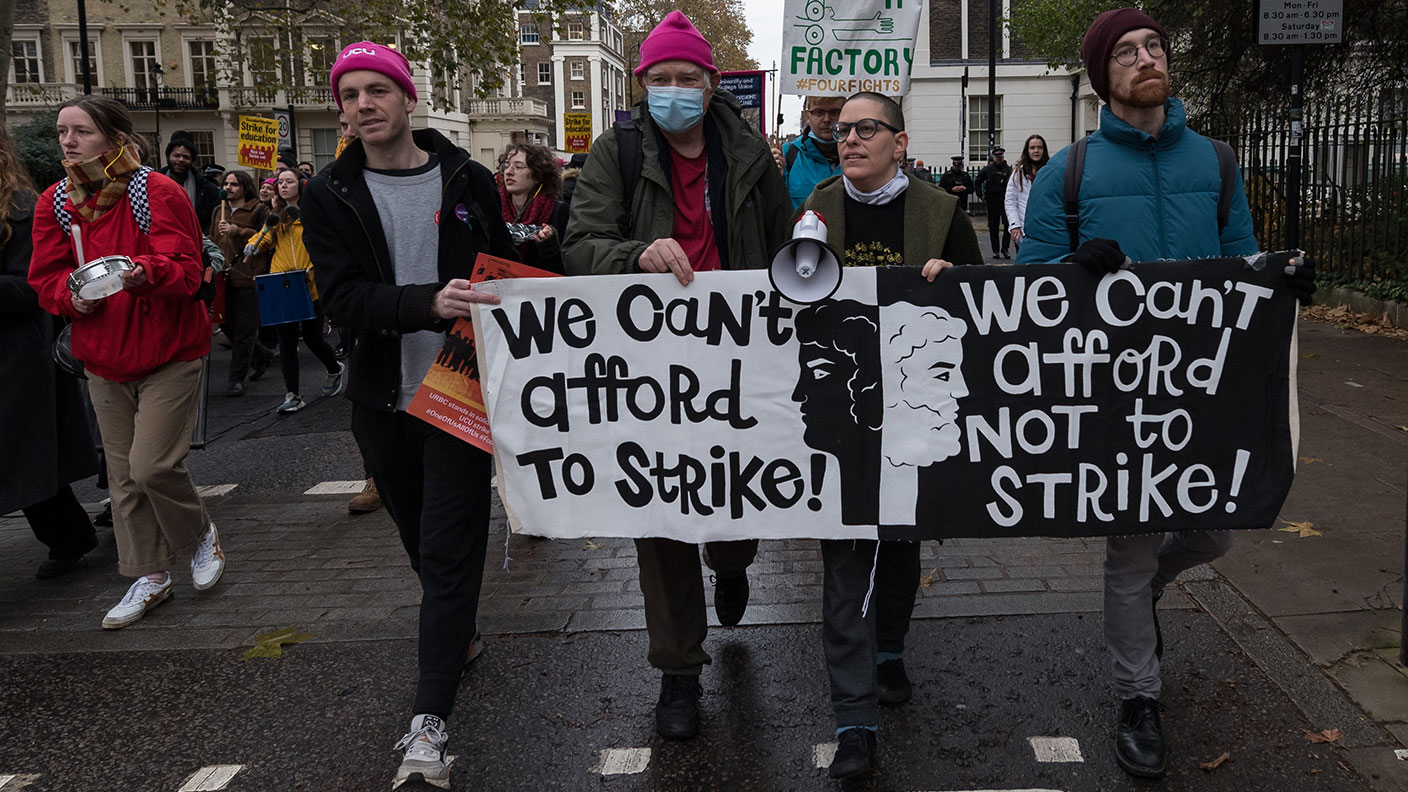 Ask for a pay rise – everyone else is
Opinion As inflation bites and the labour market remains tight, many of the nation's employees are asking for a pay rise. Merryn Somerset Webb explains why you should do that too.
-
 Why central banks should stick to controlling inflation
Opinion The world’s central bankers are stepping out of their traditional roles and becoming much more political. That’s a mistake, says Merryn Somerset Webb.
-
 How St Ives became St Tropez as the recovery drives prices sky high
Opinion Merryn Somerset Webb finds herself at the epicentre of Britain’s V-shaped recovery as pent-up demand flows straight into Cornwall’s restaurants and beaches.
-
 The real problem of Universal Basic Income (UBI)
Merryn's Blog April employment numbers showed 75 per cent fewer people in the US returned to employment compared to expectations. Merryn Somerset-Webb explains how excessive government support is causing a shortage of labour.
-
 Why an ageing population is not necessarily the disaster many people think it is
Opinion We’ve got used to the idea that an ageing population is a bad thing. But that’s not necessarily true, says Merryn Somerset Webb.


