A warning from Blackpool about London house prices
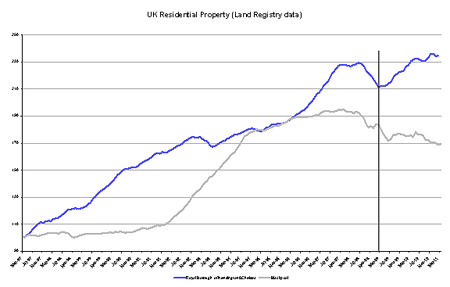
One side effect of QE has been to prop up house prices in expensive areas while those in poorer areas decline. Just look at this chart showing the gap between price growth in Kensington and Blackpool. The only question now, says Merryn Somerset Webb, is what will close that gap?

There was much competition for best chart of the day at the MoneyWeek conference last week.
Start your trial of MoneyWeek today
Get unparalleled financial insight, analysis and expert opinion you can profit from.

Sign up for MoneyWeek’s free twice-daily newsletter.
Join more than 165,000 subscribers and keep yourself informed with latest financial news, insights and expert analysis to help you understand what really matters when it comes to your finances.
Join more than 165,000 subscribers and keep yourself informed with latest financial news, insights and expert analysis to help you understand what really matters when it comes to your finances.
