Is capitalism doomed?
Unless the world’s multinational corporations get their act together, capitalism is heading for trouble, says Merryn Somerset Webb.

You are now subscribed
Your newsletter sign-up was successful
Want to add more newsletters?

Twice daily
MoneyWeek
Get the latest financial news, insights and expert analysis from our award-winning MoneyWeek team, to help you understand what really matters when it comes to your finances.

Four times a week
Look After My Bills
Sign up to our free money-saving newsletter, filled with the latest news and expert advice to help you find the best tips and deals for managing your bills. Start saving today!

I'm currently presenting a show at Panmure House (Adam Smith's last and only surviving home) as part of Edinburgh's Fringe. There's no dancing, no acrobatics, no special effects and only a few jokes. It's just me and a couple of panellists (different every day through this Sunday) having a chat, Smith-salon style, about modern capitalism.
Read this week's newspapers, then, and you might think there is room for optimism. The Times points out that CEO pay in the UK has fallen 16% to a mere £4.7m, proof perhaps that "they are listening" to our discontent. They are now paid only 114 times as much as the average of other employees at their companies.
MoneyWeek
Subscribe to MoneyWeek today and get your first six magazine issues absolutely FREE

Sign up to Money Morning
Don't miss the latest investment and personal finances news, market analysis, plus money-saving tips with our free twice-daily newsletter
Don't miss the latest investment and personal finances news, market analysis, plus money-saving tips with our free twice-daily newsletter
Better still, surely, is the news that one of America's biggest business groups (the Business Roundtable) has produced a new "statement of purpose". From now on shareholders are to be considered not as the prime beneficiary of a company's operations but just as one of five sets of stakeholders (the others are workers, customers, suppliers and communities). Isn't that nice?
Most of you will say yes. Very nice. We say no. It isn't nice. Big company CEOs have picked up today's political mood music. They know everyone's feeling a bit like my panels do. But they'd really like the status quo (the bit where they make fortunes running powerful oligopolies) to continue. So in order to head off real change being forced upon them, they are offering a little fiddling around the edges earning 114 times the average salary rather than 144 times, for example.
But this isn't enough. What we really need, if we want to return to a world of sustainable capitalism (the kind Adam Smith so believed in) is not a cabal of mega firms leading "reform", but a flood of competition forcing it. And that in turn means breaking down some of the barriers to entry (mostly regulatory) that have inhibited small-firm formation over the last decade.
Big firms love regulation because it creates barriers to entry (the Roundtable will be suggesting some new rules any day now). Governments love it too: all of them think more government is good government. But the truth is that if we want to dent the destructive power of very big business (and hence crony capitalism) we need to help smaller firms who hate it. Quite fast.
Outside these big macro discussions, I have been asking panellists what investmentthey would hold for ten years. So far no one has said Uber. But Tim Price of Price Value Partners has tipped gold. Russell Napier of ERICagrees over ten years, but suggests US Treasuries over two. James Ferguson of Macro Strategy Partners suggests oil and James Anderson of Baillie Gifford says disruptive innovations (you can short-cut this with his Scottish Mortgage Investment Trust). Otherwise, if you have an awful lot of cash to spare, you could make an offer for Greenland. That wouldn't be a bad thing to own long term.

-
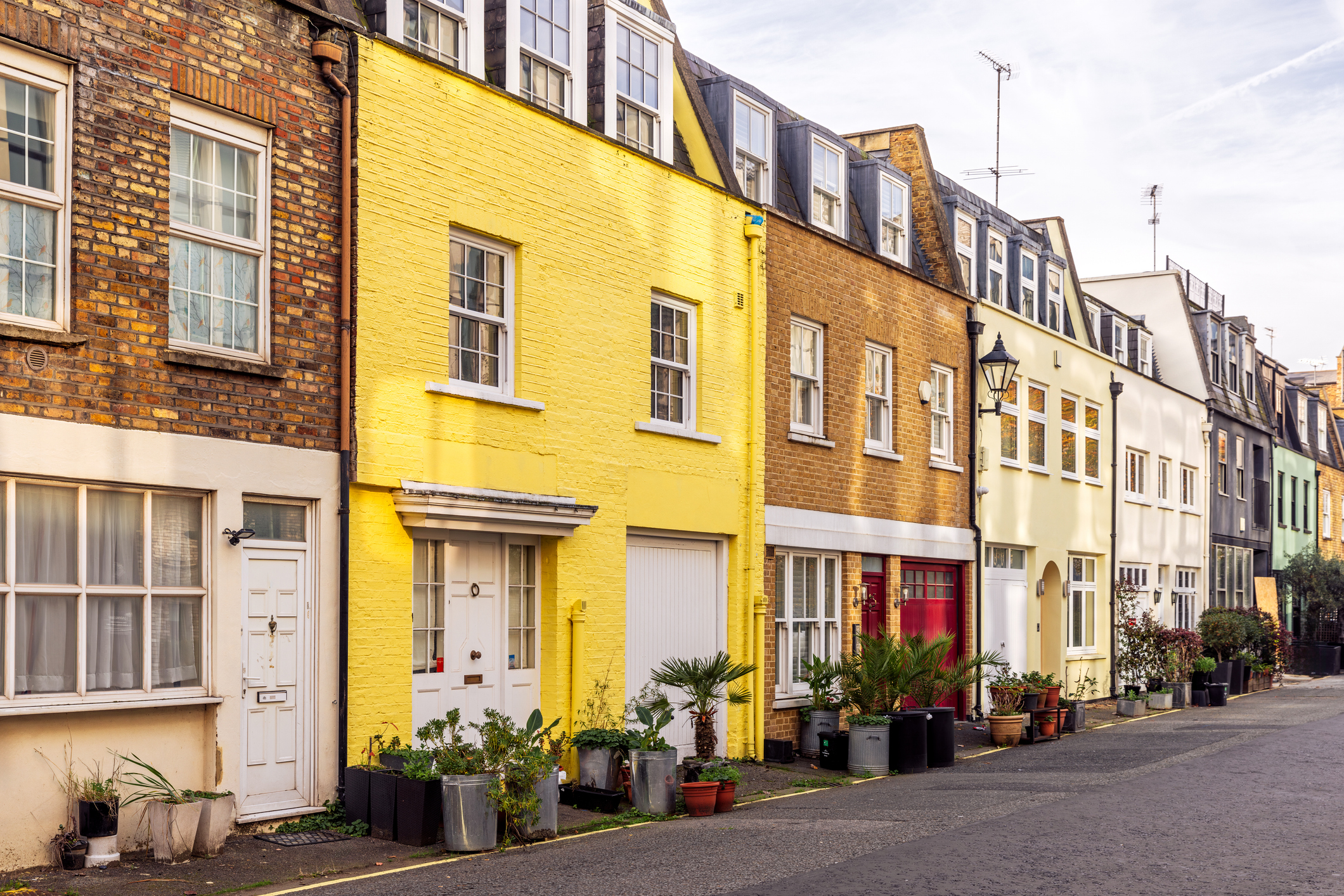 Average UK house price reaches £300,000 for first time, Halifax says
While the average house price has topped £300k, regional disparities still remain, Halifax finds.
-
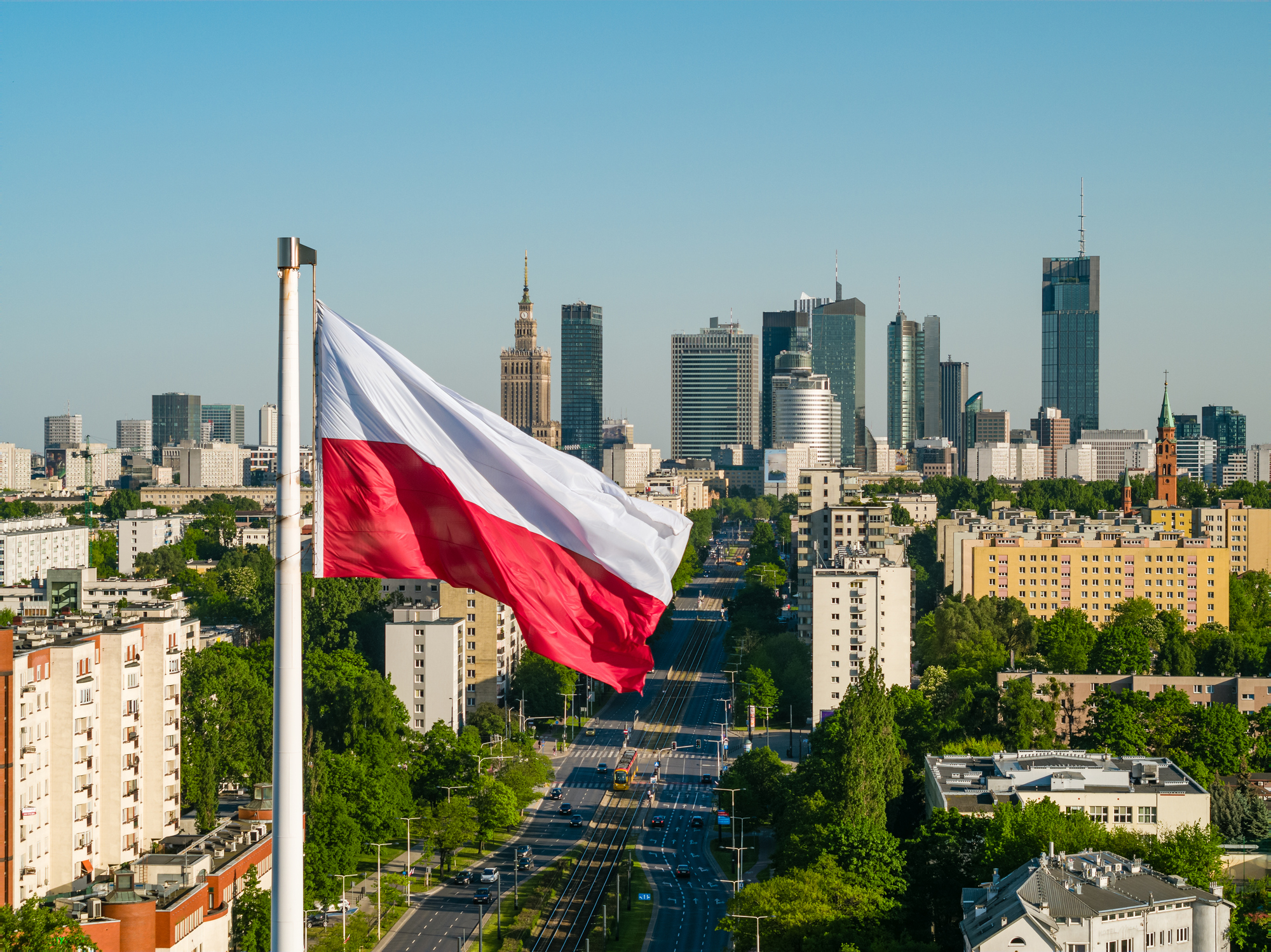 Barings Emerging Europe trust bounces back from Russia woes
Barings Emerging Europe trust has added the Middle East and Africa to its mandate, delivering a strong recovery, says Max King


-
 Inflation may be slipping but there is still plenty of misery ahead
Editor's letter Inflation may be a little lower than last month as the prices of petrol and diesel fall back, but it remains structural and long-term, says Merryn Somerset Webb. And there are no painless solutions.
-
 Beat the cost of living crisis – go on holiday
Editor's letter As inflation rages, energy bills soar and the pound tanks, what’s a good way to save money this winter? Go on holiday, says Merryn Somerset Webb.
-
 How to tackle rising inflation and falling stockmarkets
Editor's letter Inflation is rising around the world. Even though inflation is widely expected to return to around 3.5% next year, it is still wreaking havoc. Merryn Somerset-Webb explains what to do about it.
-
 How capitalism has been undermined by poor governance
Editor's letter Capitalism’s “ruthless efficiency” has been undermined by poor governance, a lack of competition and central banks’ over-enthusiastic money printing, says Andrew Van Sickle.
-
 Don't be scared by economic forecasting
Editor's letter The Bank of England warned last week the UK will tip into recession this year. But predictions about stockmarkets, earnings or macroeconomic trends can be safely ignored, says Andrew Van Sickle.
-
 The biggest change in the last 17 years – the death of the “Greenspan put”
Editor's letter Since I joined MoneyWeek 17 years ago, says John Stepek, we’ve seen a global financial crisis, a eurozone sovereign debt crisis , several Chinese growth scares, a global pandemic, and a land war in Europe. But the biggest change is the death of the “Greenspan put”.
-
 The wolf returns to the eurozone’s door
Editor's letter The eurozone’s intrinsic flaws have been exposed again as investors’ fears about Italy’s ability to pay its debt sends bond yields soaring.
-
 Things won't just return to normal – that's not how inflation works
Editor's letter You might think that, if inflation is indeed “transitory”, we just need to wait and everything will return to “normal”. But this is a grave misunderstanding of how inflation works, says John Stepek.


