Why we should embrace the Chinese dragon
Everybody else is courting China, says Merryn Somerset Webb. So why shouldn't we?

You are now subscribed
Your newsletter sign-up was successful
Want to add more newsletters?

Twice daily
MoneyWeek
Get the latest financial news, insights and expert analysis from our award-winning MoneyWeek team, to help you understand what really matters when it comes to your finances.

Four times a week
Look After My Bills
Sign up to our free money-saving newsletter, filled with the latest news and expert advice to help you find the best tips and deals for managing your bills. Start saving today!
It's been a long time since we believed that China was growing at 7%. So we aren't much bothered by or even very interested in the official numbers out this week showing that it definitely isn't. What we are interested in is how China is changing as it moves out of its super-fast growth phase and just how that will change things for us in the UK.
We've written several times over the last few months that we don't see China as taking a particularly different development path to that trodden by the likes of Japan and Korea. It has spent a few decades driving growth via fast export growth and infrastructure development. Now it wants to move to a more consumer-based economy; to build a strong middle class; and to carve out a new international role for itself.
MoneyWeek
Subscribe to MoneyWeek today and get your first six magazine issues absolutely FREE

Sign up to Money Morning
Don't miss the latest investment and personal finances news, market analysis, plus money-saving tips with our free twice-daily newsletter
Don't miss the latest investment and personal finances news, market analysis, plus money-saving tips with our free twice-daily newsletter
President Xi hasn't come to the UK to sightsee. He's come to make deals and friends. Should we be making those deals and friendships? Yes. It isn't exactly risk-free (or comfortable), but at a time when the global centre of economic gravity is shifting East we need to be pivoting that way too. After all, everyone else is.
America has looked a little askance at us for signing up to the AIIB and for rolling out every red carpet we have to Xi this week. But Barack Obama's at it too. As he noted in 2012, "our nation is at a moment of transition" and "we will of necessity rebalance towards the Asia-Pacific region". Quite.
There's quite a focus on China in the magazine this week. We look at how China's slowdown is hitting our steel industry. We look at the resilience of the Chinese consumer (the Chinese are big spenders which is why it makes sense for Cameron to make it easier and cheaper to get tourist visas for them to come and spend in the UK). And Peter Frankopan gives us his take on our Chinese visitors. First dates are always tricky, he says.
But that doesn't mean we shouldn't be open to them. Finally, we look at an investment in Asia that we think long-term investors should be even more keen on than they are on China Vietnam. It's growing. It's reforming. And it's cheap. In today's overpriced world, that's an extraordinary thing. One of the Vietnam funds we suggest is going in my self-invested personal pension (Sipp) alongside the holding I still have in the Fidelity China Special Situations Fund (still up 12% on the year, despite the Chinese stockmarket crash).

-
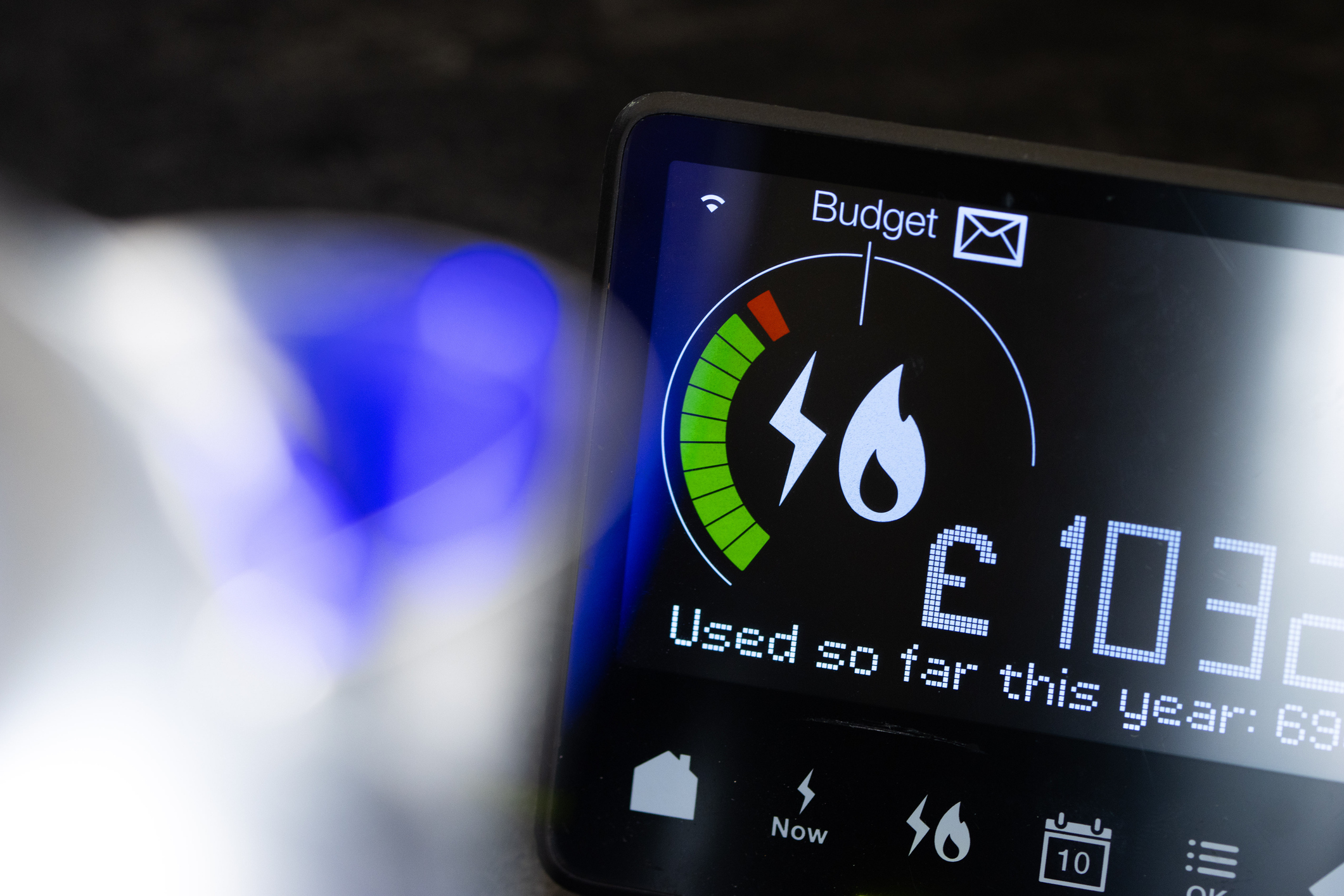 MoneyWeek news quiz: Can you get smart meter compensation?
Smart meter compensation rules, Premium Bonds winners, and the Bank of England’s latest base rate decision all made the news this week. How closely were you following it?
-
 Adventures in Saudi Arabia
Travel The kingdom of Saudi Arabia in the Middle East is rich in undiscovered natural beauty. Get there before everybody else does, says Merryn Somerset Webb


-
 Inflation may be slipping but there is still plenty of misery ahead
Editor's letter Inflation may be a little lower than last month as the prices of petrol and diesel fall back, but it remains structural and long-term, says Merryn Somerset Webb. And there are no painless solutions.
-
 Beat the cost of living crisis – go on holiday
Editor's letter As inflation rages, energy bills soar and the pound tanks, what’s a good way to save money this winter? Go on holiday, says Merryn Somerset Webb.
-
 How to tackle rising inflation and falling stockmarkets
Editor's letter Inflation is rising around the world. Even though inflation is widely expected to return to around 3.5% next year, it is still wreaking havoc. Merryn Somerset-Webb explains what to do about it.
-
 How capitalism has been undermined by poor governance
Editor's letter Capitalism’s “ruthless efficiency” has been undermined by poor governance, a lack of competition and central banks’ over-enthusiastic money printing, says Andrew Van Sickle.
-
 Don't be scared by economic forecasting
Editor's letter The Bank of England warned last week the UK will tip into recession this year. But predictions about stockmarkets, earnings or macroeconomic trends can be safely ignored, says Andrew Van Sickle.
-
 The biggest change in the last 17 years – the death of the “Greenspan put”
Editor's letter Since I joined MoneyWeek 17 years ago, says John Stepek, we’ve seen a global financial crisis, a eurozone sovereign debt crisis , several Chinese growth scares, a global pandemic, and a land war in Europe. But the biggest change is the death of the “Greenspan put”.
-
 The wolf returns to the eurozone’s door
Editor's letter The eurozone’s intrinsic flaws have been exposed again as investors’ fears about Italy’s ability to pay its debt sends bond yields soaring.
-
 Things won't just return to normal – that's not how inflation works
Editor's letter You might think that, if inflation is indeed “transitory”, we just need to wait and everything will return to “normal”. But this is a grave misunderstanding of how inflation works, says John Stepek.


