India’s banking crisis deepens
Bad loans are rising at India's fourth-largest private bank by assets and the lender needs fresh capital to plug the gap. And it's not alone.

You are now subscribed
Your newsletter sign-up was successful
Want to add more newsletters?

Twice daily
MoneyWeek
Get the latest financial news, insights and expert analysis from our award-winning MoneyWeek team, to help you understand what really matters when it comes to your finances.

Four times a week
Look After My Bills
Sign up to our free money-saving newsletter, filled with the latest news and expert advice to help you find the best tips and deals for managing your bills. Start saving today!
Yes Bank "could use a helping hand", says Una Galani on Breakingviews. Bad loans at the private-sector bank the fourth-largest in India by assets are rising and the lender needs fresh capital to plug the gap. But with its shares down by 80% this year, investors are reluctant to step forward. And India has "no up-to-date framework on how to deal with troubled financial institutions", so it's unclear how the policymakers will resolve the issue, even though it's certain that "allowing Yes Bank to flail would be the worst decision".
Yes is "a particularly marked example", but it is "not alone in its troubles", says The Economist. "India's banks are obviously faltering" as they deal with "the overhang from a splurge of bad lending years ago" much of it to struggling property developers, industrial groups and to non-bank lenders (several of which have failed over the past year). In one example, police are investigating an alleged "vast lending fraud" at Punjab & Maharastra Co-operative Bank (PMC), a small lender that had 70% of its loan book tied to one bankrupt property developer.
The latter marks a new phase in the crisis because it's the first deposit-taking institution to fail, says Andy Mukherjee on Bloomberg. That could send savers fleeing to the most reliable banks, worsening the liquidity of weaker ones."PMC Bank is too tiny to pose a systemic threat, but a small dead canary in a coal mine is still a large warning sign."
MoneyWeek
Subscribe to MoneyWeek today and get your first six magazine issues absolutely FREE

Sign up to Money Morning
Don't miss the latest investment and personal finances news, market analysis, plus money-saving tips with our free twice-daily newsletter
Don't miss the latest investment and personal finances news, market analysis, plus money-saving tips with our free twice-daily newsletter

-
 Barings Emerging Europe trust bounces back from Russia woes
Barings Emerging Europe trust has added the Middle East and Africa to its mandate, delivering a strong recovery, says Max King
-
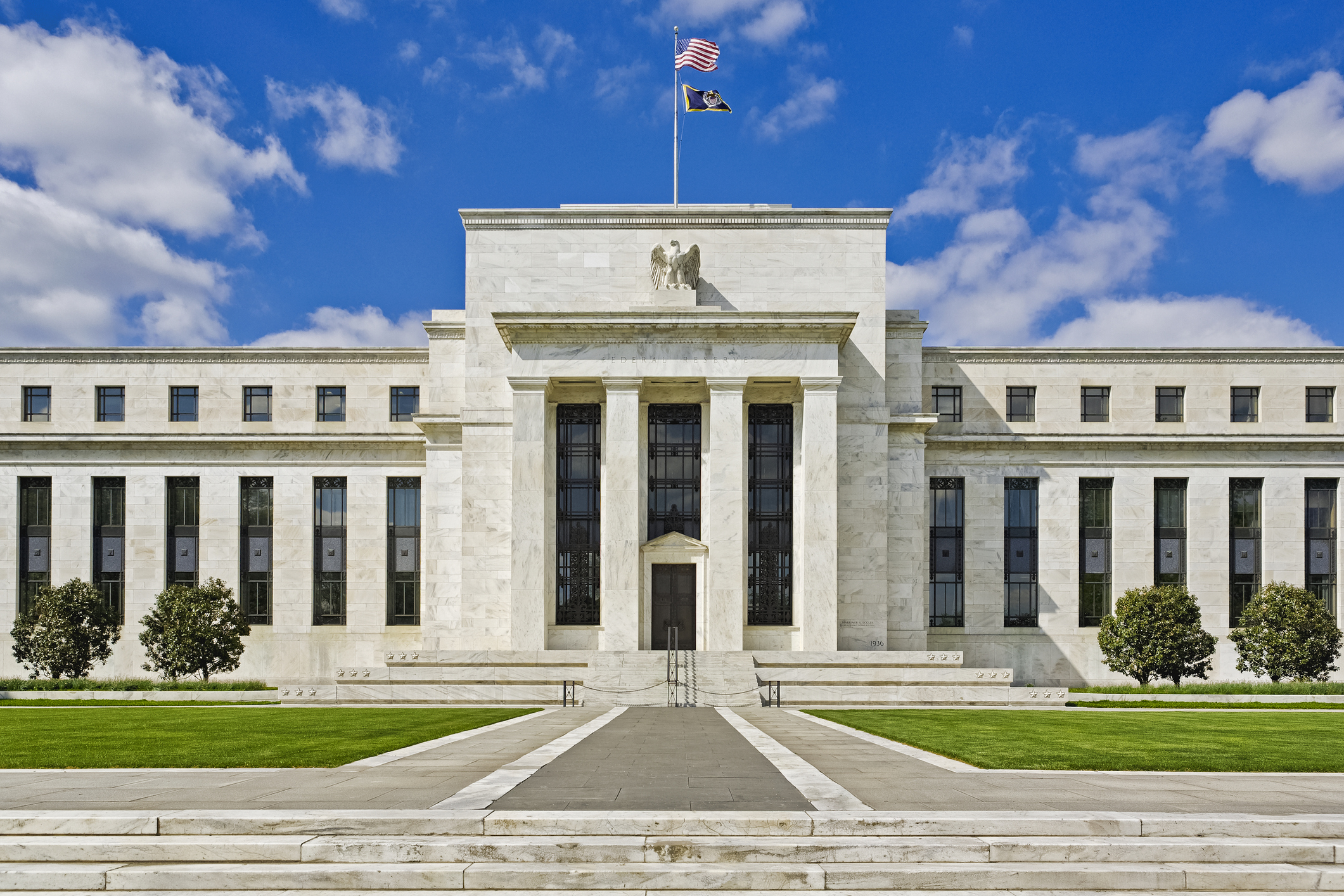 How a dovish Federal Reserve could affect you
Trump’s pick for the US Federal Reserve is not so much of a yes-man as his rival, but interest rates will still come down quickly, says Cris Sholto Heaton

