The demographic timebomb
The rising ratio of middle-aged savers to young spenders spells trouble for markets.

You are now subscribed
Your newsletter sign-up was successful
Want to add more newsletters?

Twice daily
MoneyWeek
Get the latest financial news, insights and expert analysis from our award-winning MoneyWeek team, to help you understand what really matters when it comes to your finances.

Four times a week
Look After My Bills
Sign up to our free money-saving newsletter, filled with the latest news and expert advice to help you find the best tips and deals for managing your bills. Start saving today!
Many forecasters rightly pointed out at the beginning of the financial crisis that the recovery would be very slow by historical standards as it would take years to work off the huge debt accumulated during the bubble.
Another future headwind for the world economy one that will outlast the hangover from the credit crunch is that populations are ageing.
MoneyWeek
Subscribe to MoneyWeek today and get your first six magazine issues absolutely FREE

Sign up to Money Morning
Don't miss the latest investment and personal finances news, market analysis, plus money-saving tips with our free twice-daily newsletter
Don't miss the latest investment and personal finances news, market analysis, plus money-saving tips with our free twice-daily newsletter
The middle-aged save more, so as the ratio goes up, the economy's ability to withstand deflationary shocks dwindles; more and more people will be saving rather than spending.
Moreover, young people's spending normally spurs investment, soaking up the savings of the middle-aged. But as the young group shrinks, its spending potential becomes too small to encourage much investment.
So, savings chase a limited set of investment opportunities, implying more asset bubbles in future. Markets "are in for a rocky ride over the next two decades".

-
 Barings Emerging Europe trust bounces back from Russia woes
Barings Emerging Europe trust has added the Middle East and Africa to its mandate, delivering a strong recovery, says Max King
-
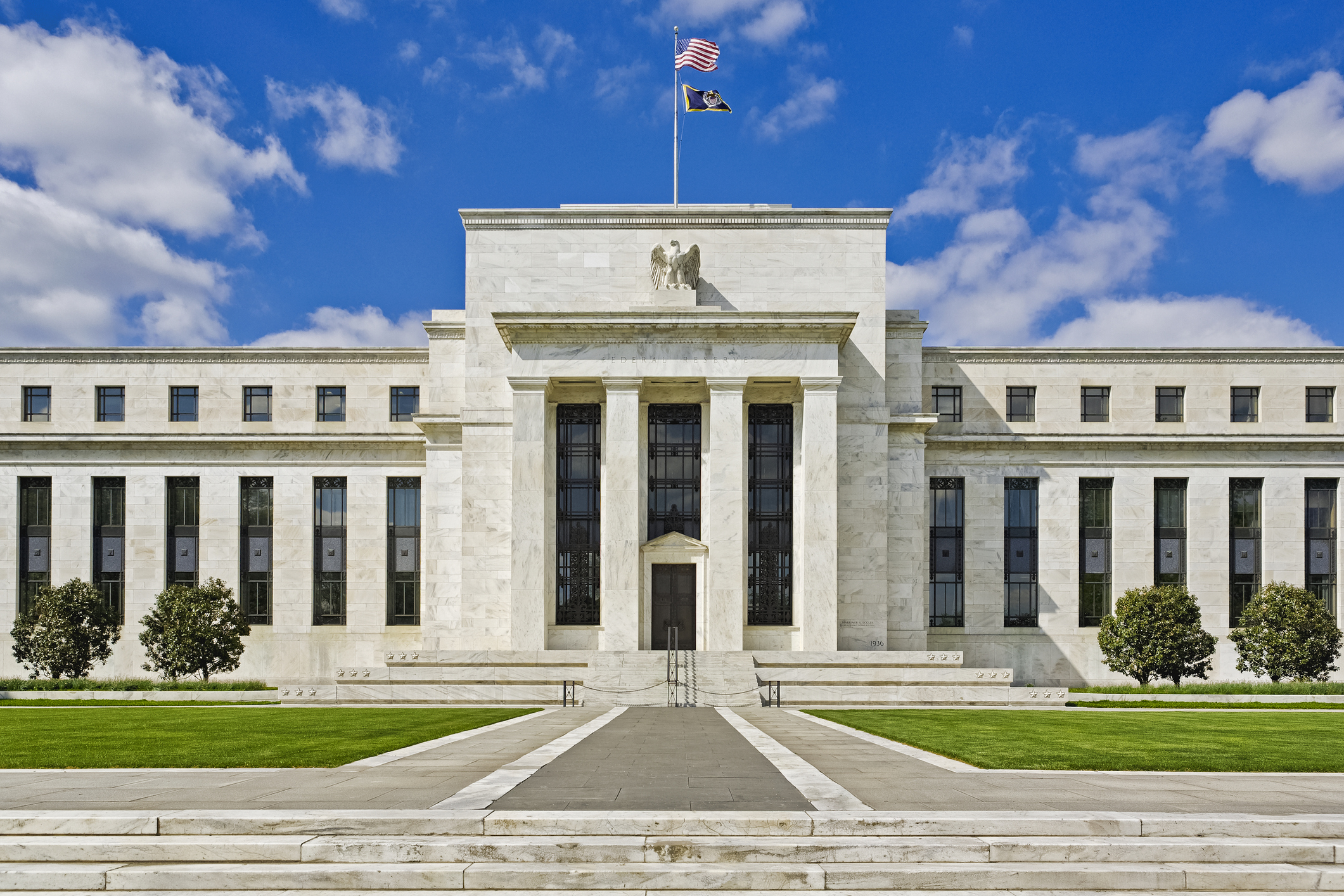 How a dovish Federal Reserve could affect you
Trump’s pick for the US Federal Reserve is not so much of a yes-man as his rival, but interest rates will still come down quickly, says Cris Sholto Heaton

