Join more than 165,000 subscribers and keep yourself informed with the latest financial news, insights and expert analysis to help you understand what really matters when it comes to your finances.
You are now subscribed
Your newsletter sign-up was successful
Want to add more newsletters?
An account already exists for this email address, please log in.
‘The state pension triple lock is unsustainable – changing the mechanism is overdue’
The growing cost of the state pension triple lock is unsustainable. Prime minister Andy Burnham has made a tough decision, which other politicians have ignored for too long.
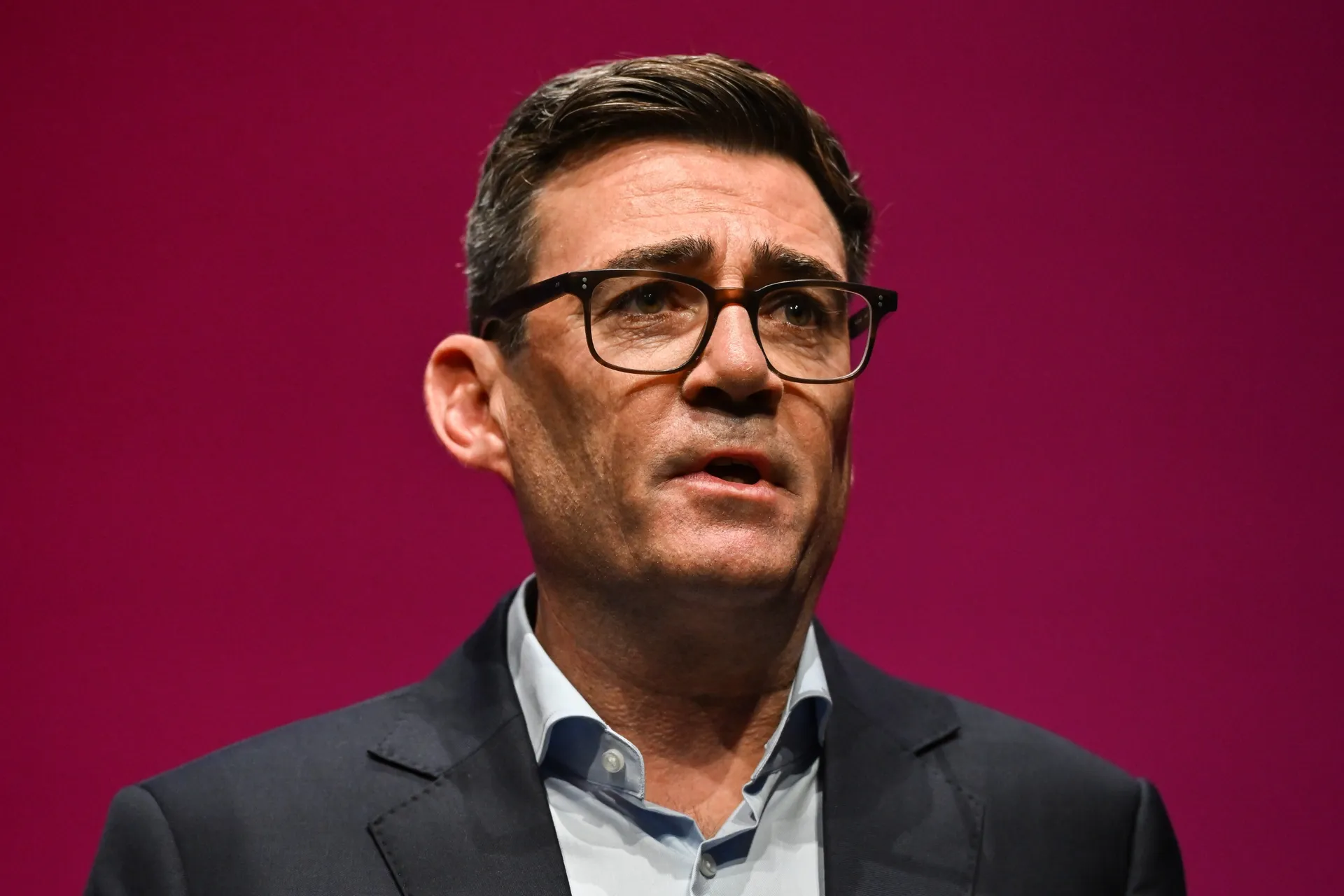
Andy Burnham knows reforming the state pension triple lock carries a political risk, and it could lose him votes. “I won’t pretend some of this won’t be difficult,” he said. “I accept I may pay a political price. But someone has to go through the pain barrier and rip the plaster off.”
Speaking at the recent Labour conference, the prime minister announced that he intends to change the triple lock – the policy which uprates the state pension each year by the highest of average earnings, inflation and 2.5% – if his party won the next general election. From 2030, if Labour stays in government, the state pension will rise each year at least by prices or 2.5%, while maintaining its value relative to earnings over time.
Burnham has picked up the triple lock hot potato that previous leaders have avoided for years now. While the policy was introduced in 2010 to improve the standard of living for pensioners, its "ratchet" effect is unsustainable and unpredictable.
Start your trial of MoneyWeek today
Get unparalleled financial insight, analysis and expert opinion you can profit from.
Sign up for MoneyWeek’s free twice-daily newsletter.
Join more than 165,000 subscribers and keep yourself informed with latest financial news, insights and expert analysis to help you understand what really matters when it comes to your finances.
Join more than 165,000 subscribers and keep yourself informed with latest financial news, insights and expert analysis to help you understand what really matters when it comes to your finances.
Public spending on the state pension in 2026/27 is £154 billion a year, and according to the think tank Institute for Fiscal Studies (IFS), spending on the state pension is now £16 billion per year higher than it would have been without the triple lock. But the cost will continue rising.
The state pension currently costs around 5% of GDP, and is projected to rise to around 9% of GDP by 2075/76, according to the Office for Budget Responsibility (OBR) in July 2026. This is driven by an ageing population and the cost of the triple lock. But if the state pension were instead uprated in line with average earnings, state pension spending reaches around 7% of GDP, the OBR said.
By 2035, the government will spend more on welfare payouts, the greatest proportion of which is the state pension, than it gets in National Insurance, according to research by the think tank Adam Smith Institute.
The triple lock conversation is overdue
The triple lock can’t last forever, so we need to have an honest discussion about the state pension’s future – and sooner, rather than later, so everyone can take steps to plug any income gap.
Burnham says the “significant savings” will help fund a new National Care Service, with social care free at the point of use. We don’t yet know where the bulk of the money will come from for the new care system. But it’s wrong for critics to say the change is “betraying” pensioners. Putting the savings from an adjusted triple lock towards solving the adult social care crisis is sensible given many state pensioners would benefit from the service – around three in four people over the age of 65 are expected to need care and support during their life, with one in seven facing costs of more than £100,000, the government says.
Who would be affected by the adjusted triple lock?
AJ Bell estimates that if Burnham’s proposed method had been used since 2011, the full new state pension would be worth around £600 less per year today. For those getting the full old basic state pension, the difference would be around £490 per year.
Burnham’s announcement may come as a blow for retirees, but no change is proposed until 2030, and it could take several years before a significant gap in state pension is noticeable.
“For someone who has just started claiming the state pension at age 66, they could be 84 and a half years old before they face a gap of between £500 and £600 in today’s prices,” Sarah Coles, head of personal finance at AJ Bell said.
“Men have an average life expectancy of 85 at the age of 65, and women have one of 87, so not only will it take a significant period for the gap to build to this level, but this could be the final extent of the impact for them.”
The change would affect younger generations, although I’m already hesitant about the future of the state pension. The government has two levers to pull to rebalance the numbers for the state pension: change the triple lock or raise the state pension age. The latter is already increasing and is set to rise further to 68 in the future.
Changing the system now at least gives our generation time to plan, and put more aside each month into personal and workplace pensions where we can.
Sign up for MoneyWeek's newsletters
Join more than 165,000 subscribers and keep yourself informed with the latest financial news, insights and expert analysis to help you understand what really matters when it comes to your finances.
Jessica is a financial journalist with extensive experience in digital publishing.
She was previously Digital Finance Editor at GB News and Personal Finance Editor at Express.co.uk. She enjoys writing about savings, pensions and tax, and is passionate about promoting financial education.