Should the Bank of England step in to cool the housing market?
The Bank of England has the power to cool Britain’s overheating property market. But will it use it?

You are now subscribed
Your newsletter sign-up was successful
Want to add more newsletters?

Twice daily
MoneyWeek
Get the latest financial news, insights and expert analysis from our award-winning MoneyWeek team, to help you understand what really matters when it comes to your finances.

Four times a week
Look After My Bills
Sign up to our free money-saving newsletter, filled with the latest news and expert advice to help you find the best tips and deals for managing your bills. Start saving today!
I've written here before about the ways in which the Bank of England could control the housing fledging recovery/boom/bubble (in the north, the south and London respectively) if it felt like it hereand here.
The upshot is that the Financial Policy Committee can now control the amount of credit that goes to any one sector at will. This is entirely new territory for this generation of central bankers, and was little understood until quite recently the press has only just begun to discuss it.
The problem is that it's pretty politically charged stuff. Our elected government clearly wants house prices to rise and fast. If it didn't, it wouldn't be persevering with Help to Buy it would by now at the very least have cut the threshold for borrowing under the scheme from the price of a nice house in the booming south (£600,000) to the price of a nice house in the faltering north (more like £300,000).
MoneyWeek
Subscribe to MoneyWeek today and get your first six magazine issues absolutely FREE

Sign up to Money Morning
Don't miss the latest investment and personal finances news, market analysis, plus money-saving tips with our free twice-daily newsletter
Don't miss the latest investment and personal finances news, market analysis, plus money-saving tips with our free twice-daily newsletter
Given this, for the Bank of England to impose new affordability criteria on top of the new Mortgage Market Review rules; to force the banks to hold more capital against mortgages; or to simply insist on limited lending all round, would look, as the FT puts it, rather like "giving with one hand and taking away with the other."
So will the (technically) fully independent Bank of England use any of its powers? If it does it will need to act pretty fast. Research, says the FT, shows that if the authorities "act too cautiously" they tend to end up slowing rather than preventing bubbles.
Since 2009 the Bank of Israel has taken nine separate 'macroprudential' measures to cool its housing market. But house prices are still 25% above their historical averages relative to incomes. Why? It might have something to do with limited supply and a base rate of 0.75%.

-
 Average UK house price reaches £300,000 for first time, Halifax says
While the average house price has topped £300k, regional disparities still remain, Halifax finds.
-
 Barings Emerging Europe trust bounces back from Russia woes
Barings Emerging Europe trust has added the Middle East and Africa to its mandate, delivering a strong recovery, says Max King


-
 House prices to crash? Your house may still be making you money, but not for much longer
Opinion If you’re relying on your property to fund your pension, you may have to think again. But, says Merryn Somerset Webb, if house prices start to fall there may be a silver lining.
-
 Prepare your portfolio for recession
Opinion A recession is looking increasingly likely. Add in a bear market and soaring inflation, and things are going to get very complicated for investors, says Merryn Somerset Webb.
-
 Investing for income? Here are six investment trusts to buy now
Opinion For many savers and investors, income is getting hard to find. But it's not impossible to find, says Merryn Somerset Webb. Here, she picks six investment trusts that are currently yielding more than 4%.
-
 Stories are great – but investors should stick to reality
Opinion Everybody loves a story – and investors are no exception. But it’s easy to get carried away, says Merryn Somerset Webb, and forget the underlying truth of the market.
-
 Everything is collapsing at once – here’s what to do about it
Opinion Equity and bond markets are crashing, while inflation destroys the value of cash. Merryn Somerset Webb looks at where investors can turn to protect their wealth.
-
 ESG investing could end up being a classic mistake
Opinion ESG investing has been embraced with enormous speed and zeal. But think long and hard before buying in, says Merryn Somerset Webb.
-
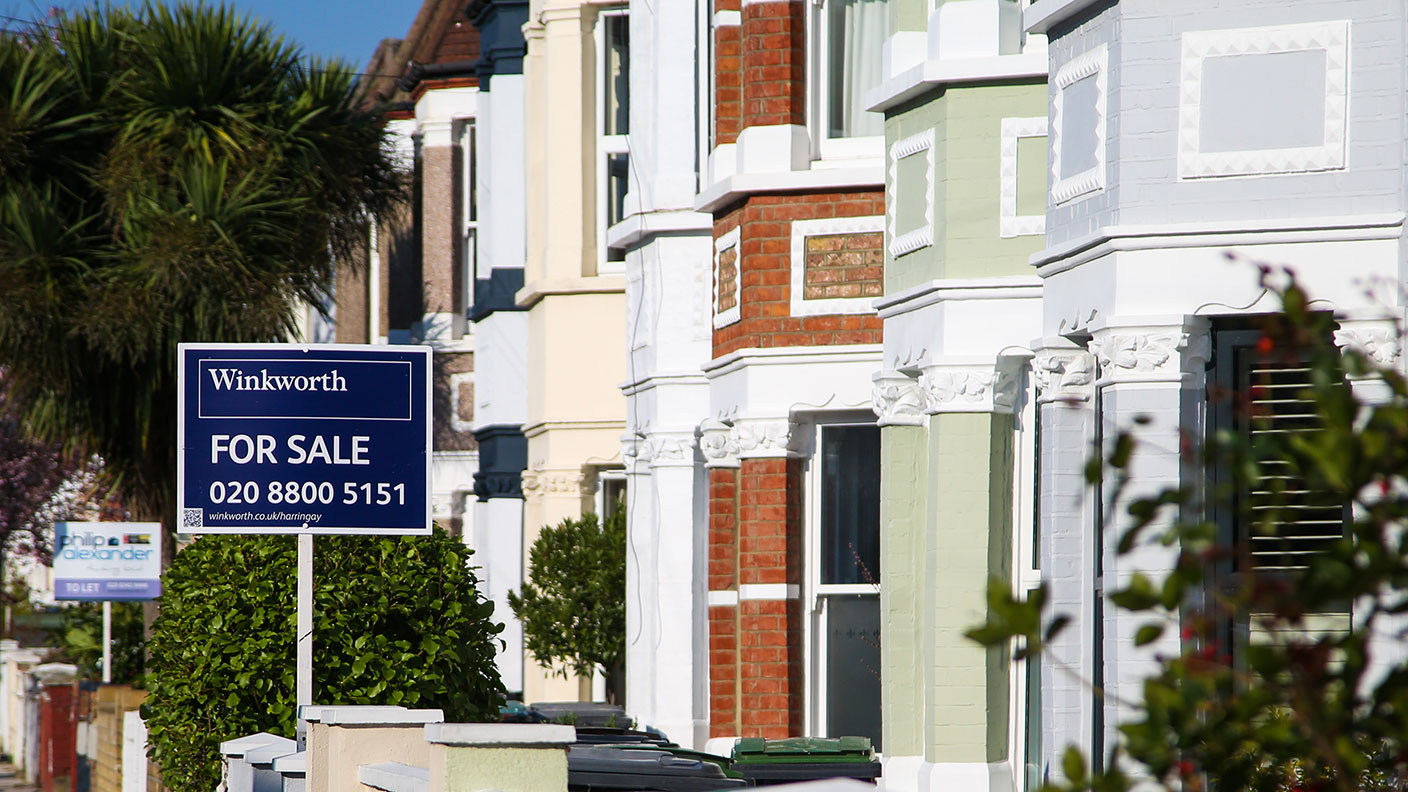 UK house prices will fall – but not for a few years
Opinion UK house prices look out of reach for many. But the truth is that British property is surprisingly affordable, says Merryn Somerset Webb. Prices will fall at some point – but not yet.
-
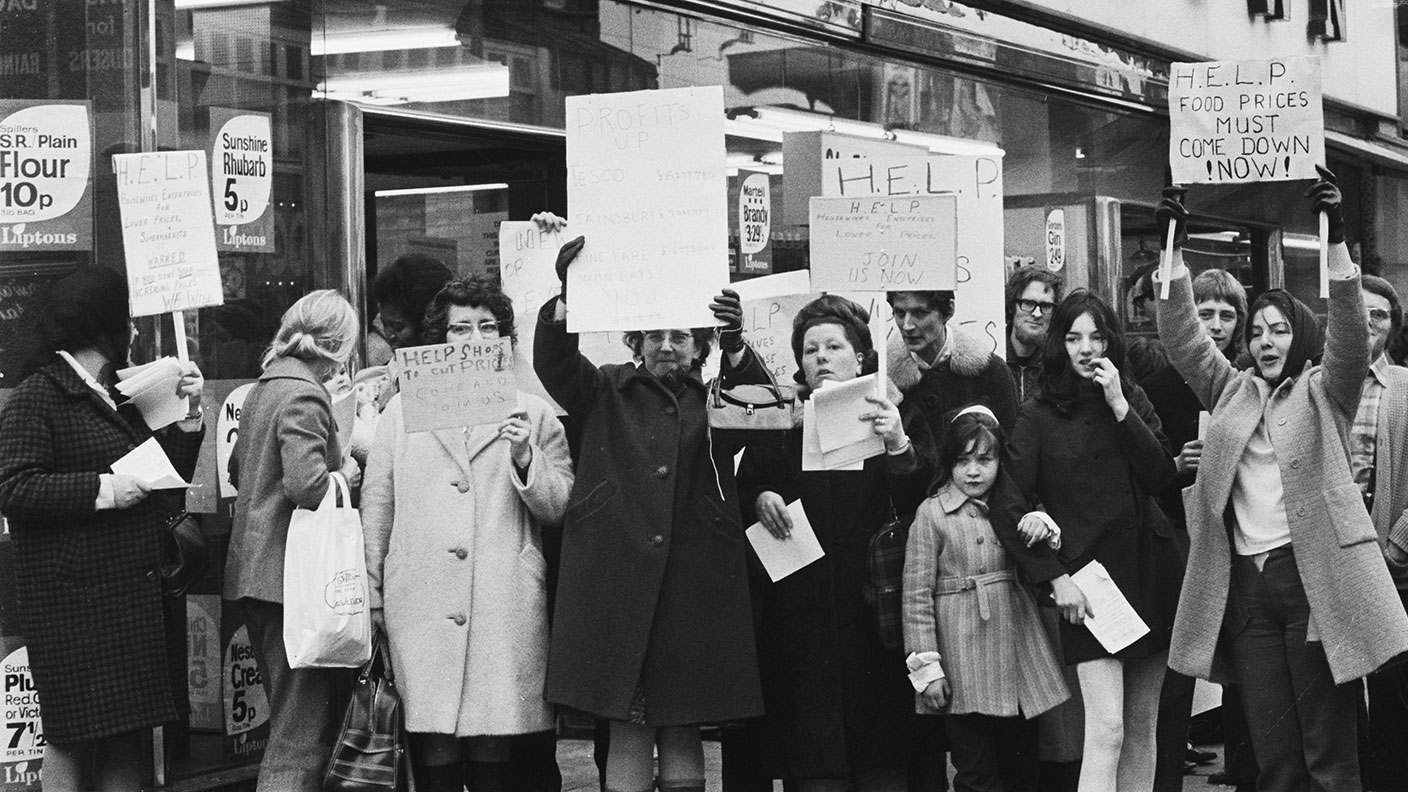 This isn’t the stagflationary 1970s – but neither is it the low-rate world of the 2010s
Opinion With soaring energy prices and high inflation, it might seem like we’re on a fast track back to the 1970s. We’re not, says Merryn Somerset Webb. But we’re not going back to the 2010s either.


