Don't let your financial adviser scare you into saving too much
You won't need nearly as much money in retirement as the financial industry wants you to believe, says Merryn Somerset Webb.

You are now subscribed
Your newsletter sign-up was successful
Want to add more newsletters?

Twice daily
MoneyWeek
Get the latest financial news, insights and expert analysis from our award-winning MoneyWeek team, to help you understand what really matters when it comes to your finances.

Four times a week
Look After My Bills
Sign up to our free money-saving newsletter, filled with the latest news and expert advice to help you find the best tips and deals for managing your bills. Start saving today!
Most stories in the papers tell us that people are worse off than they think they are or we think they are. So, I have been pleased this week to see two pointing out the opposite. The first, in The Times, tells us that "the world is better off than we thought".
The OECD has been putting out reports into global well-being since 1820, and notes that if you take a few factors outside straightforward GDP into account, the world looks to be in pretty good shape. GDP per head has gone up ten-fold since 1820, and wages have also risen very substantially. But add in advances in education and it looks even more "impressive."
Literacy rates are "close to 100% everywhere expect Africa and Southeast Asia, but even in these places, the rates are over 60%. Life expectancy has also improved everywhere hitting 60-70 years in most places bar Africa, which is lagging nastily in this area. You can readmore on all this here.
MoneyWeek
Subscribe to MoneyWeek today and get your first six magazine issues absolutely FREE

Sign up to Money Morning
Don't miss the latest investment and personal finances news, market analysis, plus money-saving tips with our free twice-daily newsletter
Don't miss the latest investment and personal finances news, market analysis, plus money-saving tips with our free twice-daily newsletter
The second brings us good news from closer to home. The IFS has been looking at just how poor most pensioners are. Their answer? On average not very poor at all. Instead, if you look at how much money they need to maintain their standard of living after they finish working, 92% of couples born in the 1940s have much more money than they need.
The average amount of cash left over after spending on essentials? £220,000. And even with property removed from the equation, the average surplus came to £120,000. It seems, says Cormac O'Dea from the IFS that "this is a cohort that has ended up saving more than it needs for retirement."
Clearly not all the generations that follow will have the same surplus without final salary pension schemes and the greatest housing boom ever to rely on, today's young aren't getting off to a brilliant saving start (although they should find that all this surplus wealth soon cascades down to them).
But nonetheless, this study does make an important point: the financial industry is always keen to terrify us into saving more and more and more. But you don't need nearly as much money in retirement as you do when you are in work your tax bills are lower (no National Insurance), your children are mostly moved out, and of course, you aren't saving money any more.
Being retired is a relatively cheap business in a way that being a working parent just isn't.It is possible to worry too much about the future and it is possible to over save. Don't let your adviser tell you anything different!

-
 MoneyWeek Talks: The funds to choose in 2026
Podcast Fidelity's Tom Stevenson reveals his top three funds for 2026 for your ISA or self-invested personal pension
-
 Three companies with deep economic moats to buy now
Opinion An economic moat can underpin a company's future returns. Here, Imran Sattar, portfolio manager at Edinburgh Investment Trust, selects three stocks to buy now


-
 Our pension system, little-changed since Roman times, needs updating
Opinion The Romans introduced pensions, and we still have a similar system now. But there is one vital difference between Roman times and now that means the system needs updating, says Merryn Somerset Webb.
-
 We’re doing well on pensions – but we still need to do better
Opinion Pensions auto-enrolment has vastly increased the number of people in the UK with retirement savings. But we’re still not engaged enough, says Merryn Somerset Webb.
-
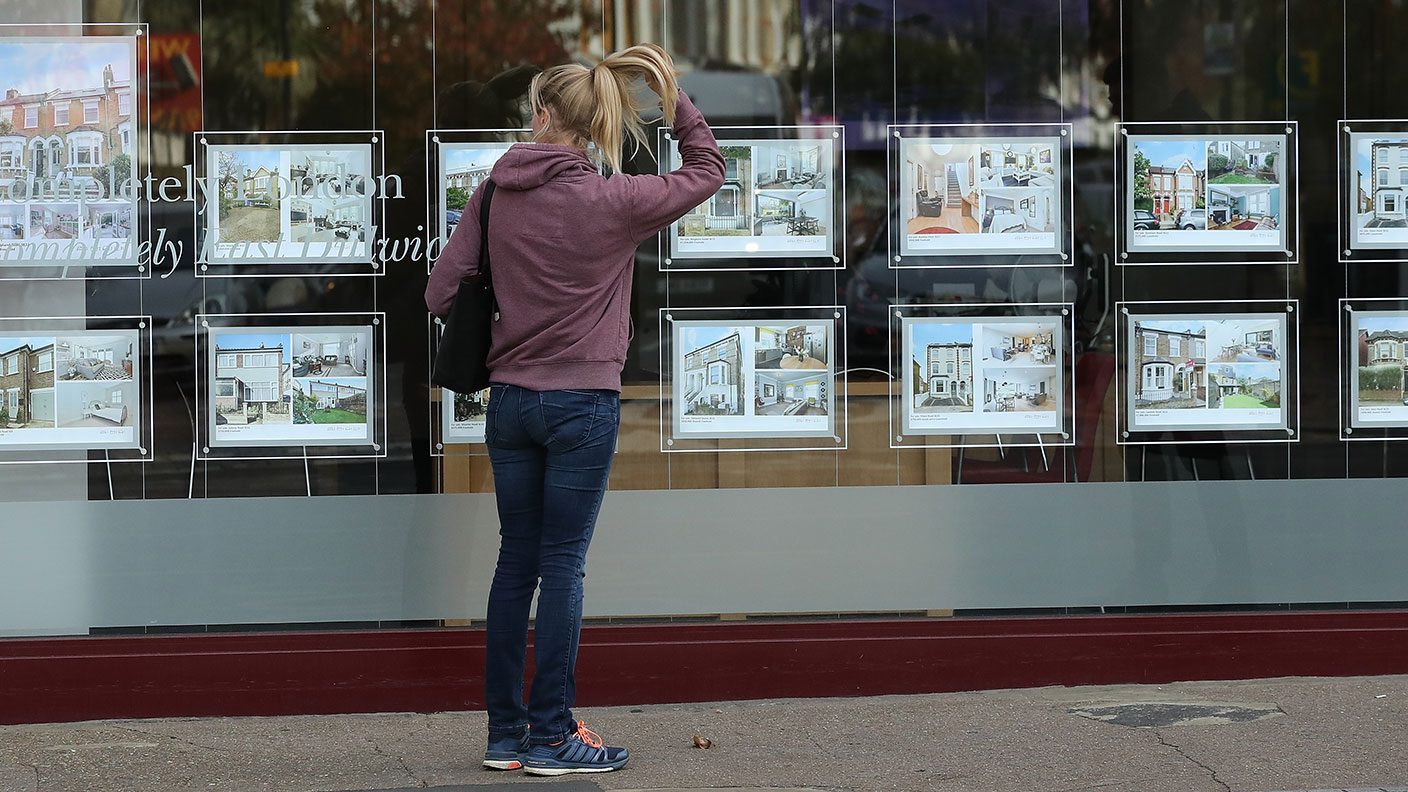 Older people may own their own home, but the young have better pensions
Opinion UK house prices mean owning a home remains a pipe dream for many young people, but they should have a comfortable retirement, says Merryn Somerset Webb.
-
 How to avoid a miserable retirement
Opinion The trouble with the UK’s private pension system, says Merryn Somerset Webb, is that it leaves most of us at the mercy of the markets. And the outlook for the markets is miserable.
-
 Young investors could bet on NFTs over traditional investments
Opinion The first batch of child trust funds and Junior Isas are maturing. But young investors could be tempted to bet their proceeds on digital baubles such as NFTs rather than rolling their money over into traditional investments
-
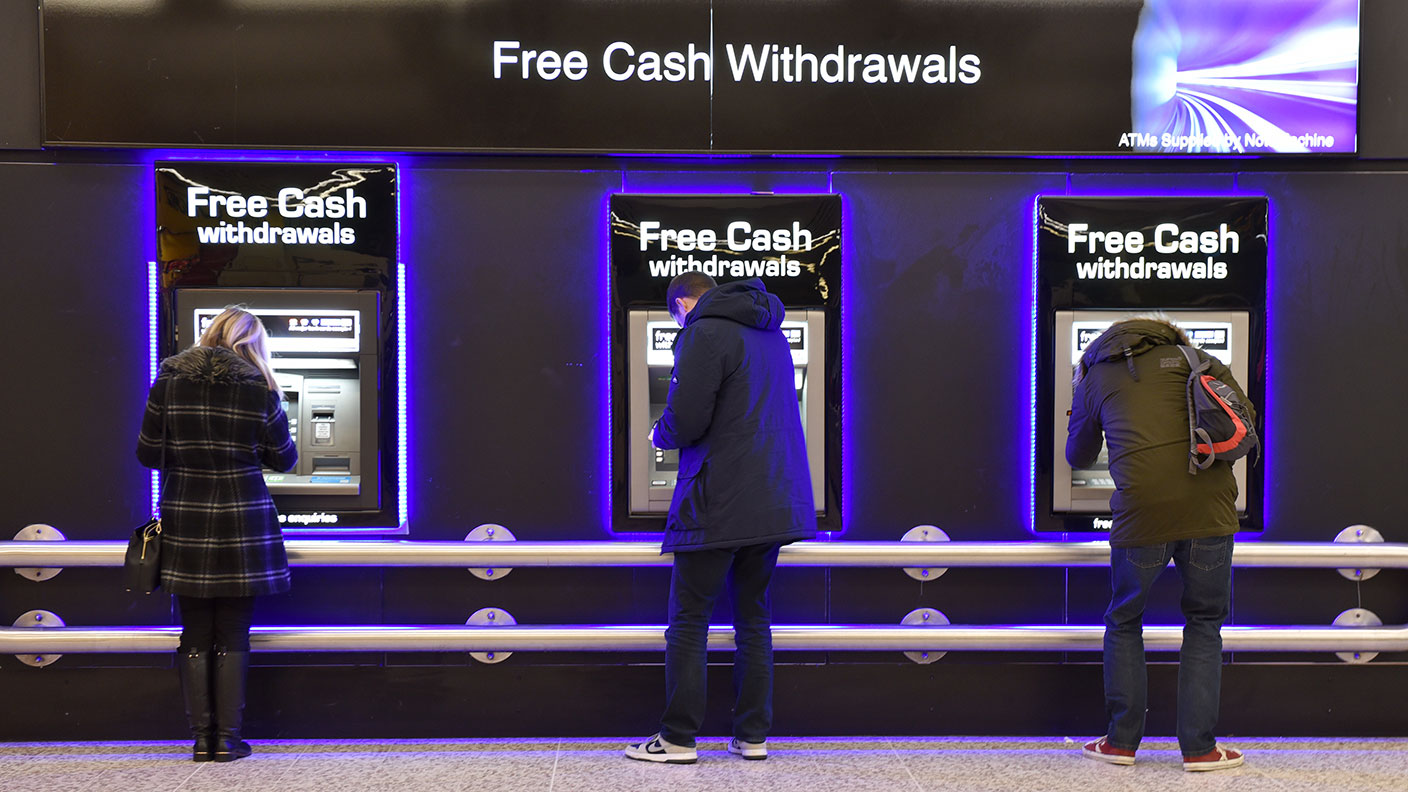 Negative interest rates and the end of free bank accounts
Opinion Negative interest rates are likely to mean the introduction of fees for current accounts and other banking products. But that might make the UK banking system slightly less awful, says Merryn Somerset Webb.
-
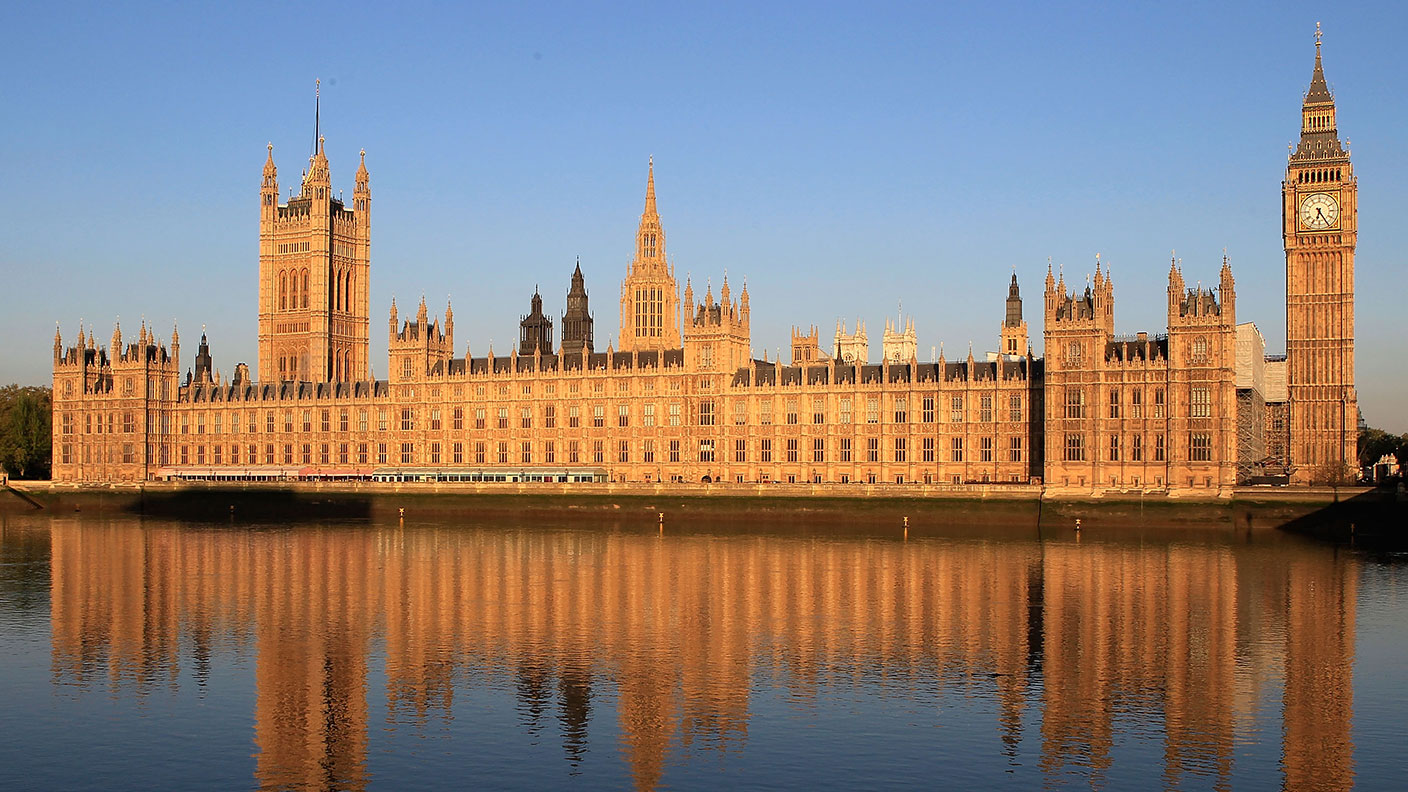 Pandemics, politicians and gold-plated pensions
Advice As more and more people lose their jobs to the pandemic and the lockdowns imposed to deal with it, there’s one bunch of people who won’t have to worry about their future: politicians, with their generous defined-benefits pensions.
-
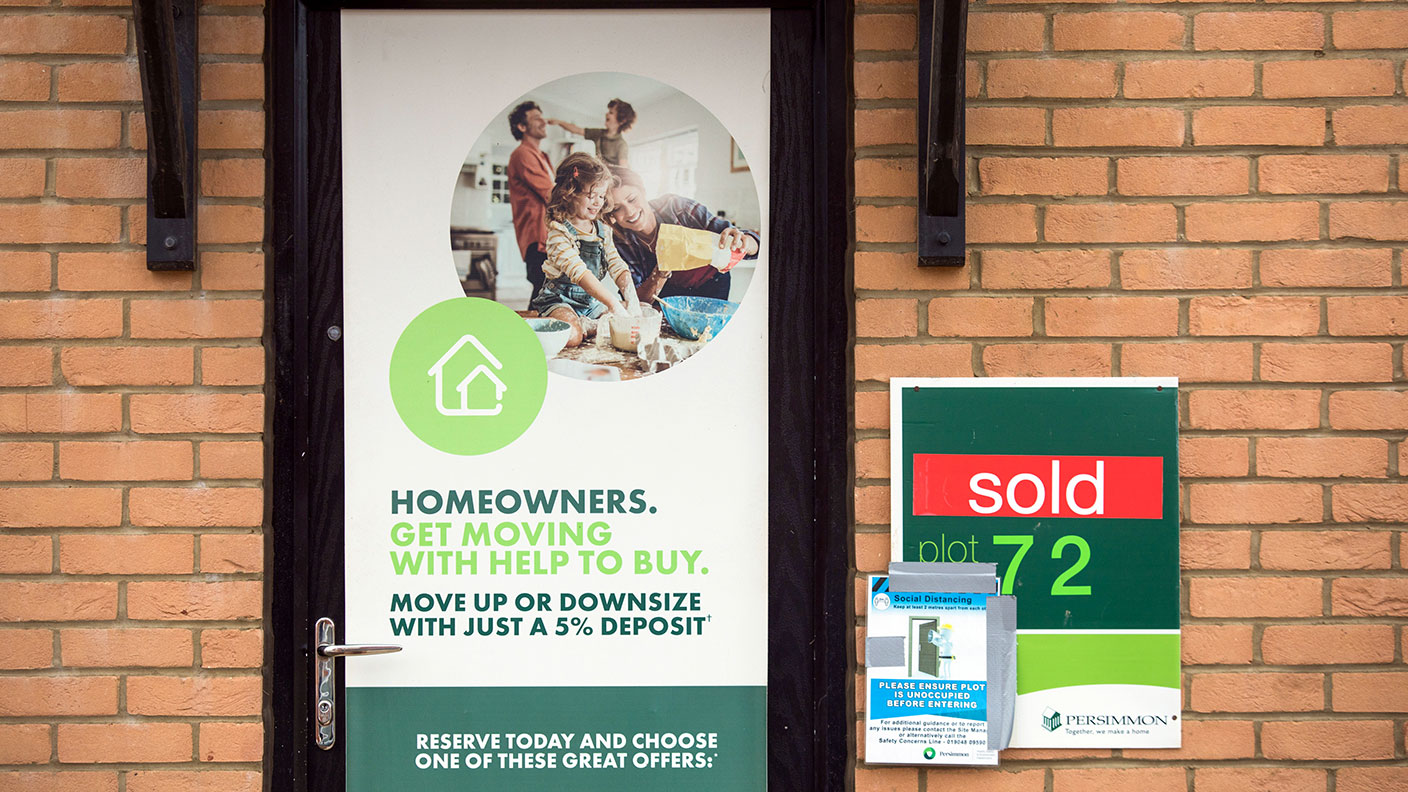 How the stamp duty holiday is pushing up house prices
Opinion Stamp duty is an awful tax and should be replaced by something better. But its temporary removal is driving up house prices, says Merryn Somerset Webb.


