Is US inflation accelerating again? Figures suggest the Fed has further to go
The latest US inflation figures suggest inflation is not falling as fast as analysts had predicted. It could even be speeding up again.


You are now subscribed
Your newsletter sign-up was successful
Want to add more newsletters?

Twice daily
MoneyWeek
Get the latest financial news, insights and expert analysis from our award-winning MoneyWeek team, to help you understand what really matters when it comes to your finances.

Four times a week
Look After My Bills
Sign up to our free money-saving newsletter, filled with the latest news and expert advice to help you find the best tips and deals for managing your bills. Start saving today!
US inflation seems to be accelerating again. According to the latest numbers, published today, CPI inflation across the country hit 6.4% in January, compared to the previous reading of 6.5% in December. Analysts and economists were projecting a rate of 6.2%.
What’s more, core inflation, the measure of inflation that strips out the volatile food and energy components, came in at 5.6% compared to expectations of 5.5%. The reading was 5.7% in December.
MoneyWeek
Subscribe to MoneyWeek today and get your first six magazine issues absolutely FREE

Sign up to Money Morning
Don't miss the latest investment and personal finances news, market analysis, plus money-saving tips with our free twice-daily newsletter
Don't miss the latest investment and personal finances news, market analysis, plus money-saving tips with our free twice-daily newsletter
What the latest US inflation data means for the economy
The January inflation report was highly anticipated by the market. The US Federal Reserve has been hiking interest rates to try and bring inflation under control recently. This has sparked concern that the central bank could cause the economy to grind to a halt, as it fights to get prices lower.
“We see ourselves as having a lot of work left to do,” Fed Chair Jerome Powell said earlier this month, suggesting the central bank is going to push interest rates higher throughout the rest of the year.
While this inflation report was worse (inflation was higher) than expected, it wasn’t terrible. After all, CPI inflation is still heading in the right direction, it's just not falling as fast as some analysts and economists might have expected.
As Chris Beauchamp, chief market analyst at IG Group says, “US inflation is still resolutely sticky, and it shows the Fed still has more to do. But the numbers were broadly in line with what markets had been expecting, and were certainly not enough to frighten the horses too much.”
This is good news for investors, but there could be further disruption to come. Even though inflation is starting to moderate, with food and energy prices coming off their one-year highs, it will take some time for higher interest rates to filter through to the underlying economy.
If economic growth begins to slow dramatically, then this could spook markets. On the other hand, if the economy remains stronger than expected, it could lead the Fed to push rates even higher, and that could hurt asset prices.
“The muted reaction should not be dismissed – inflation still has the power to scare, but this was not the reading to do it. If we get another barnstormer of a jobs number then markets will go back to fretting about more sustained inflation, but for now calm reigns,” notes Beauchamp.

-
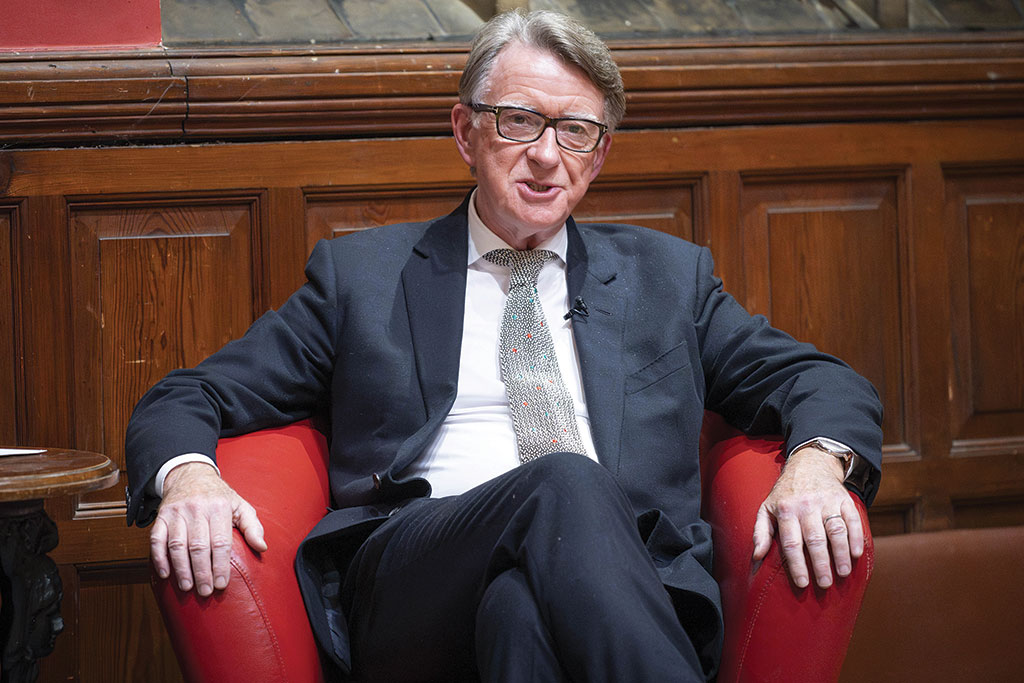 The downfall of Peter Mandelson
Peter Mandelson is used to penning resignation statements, but his latest might well be his last. He might even face time in prison.
-
 Default pension funds: what’s in your workplace pension?
Default pension funds will often not be the best option for young savers or experienced investors


-
 How a dovish Federal Reserve could affect you
Trump’s pick for the US Federal Reserve is not so much of a yes-man as his rival, but interest rates will still come down quickly, says Cris Sholto Heaton
-
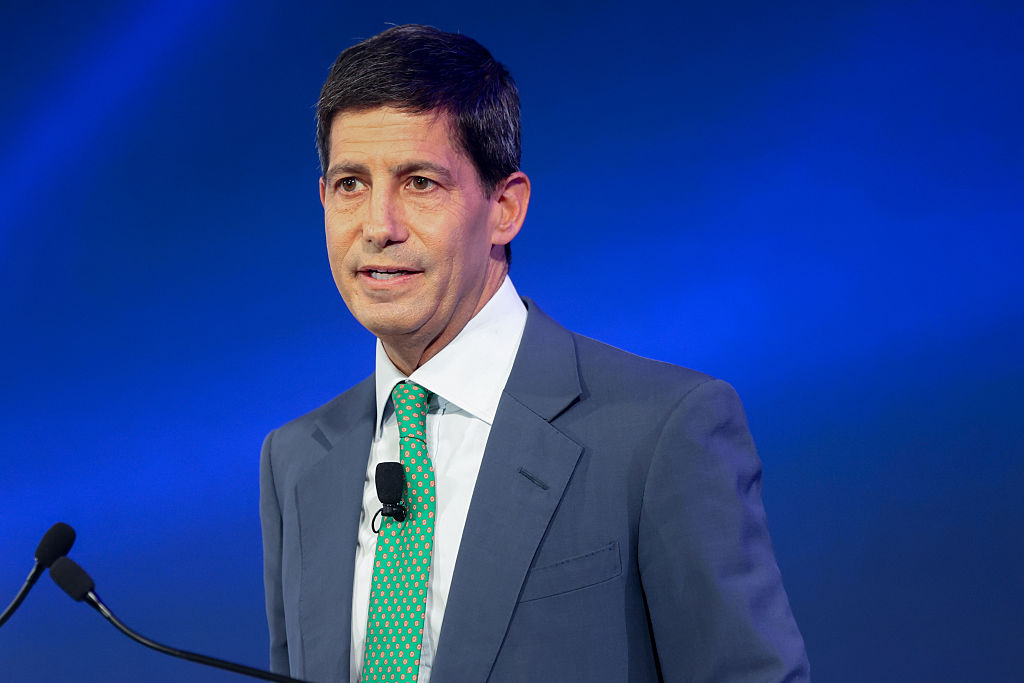 New Federal Reserve chair Kevin Warsh has his work cut out
Opinion Kevin Warsh must make it clear that he, not Trump, is in charge at the Fed. If he doesn't, the US dollar and Treasury bills sell-off will start all over again
-
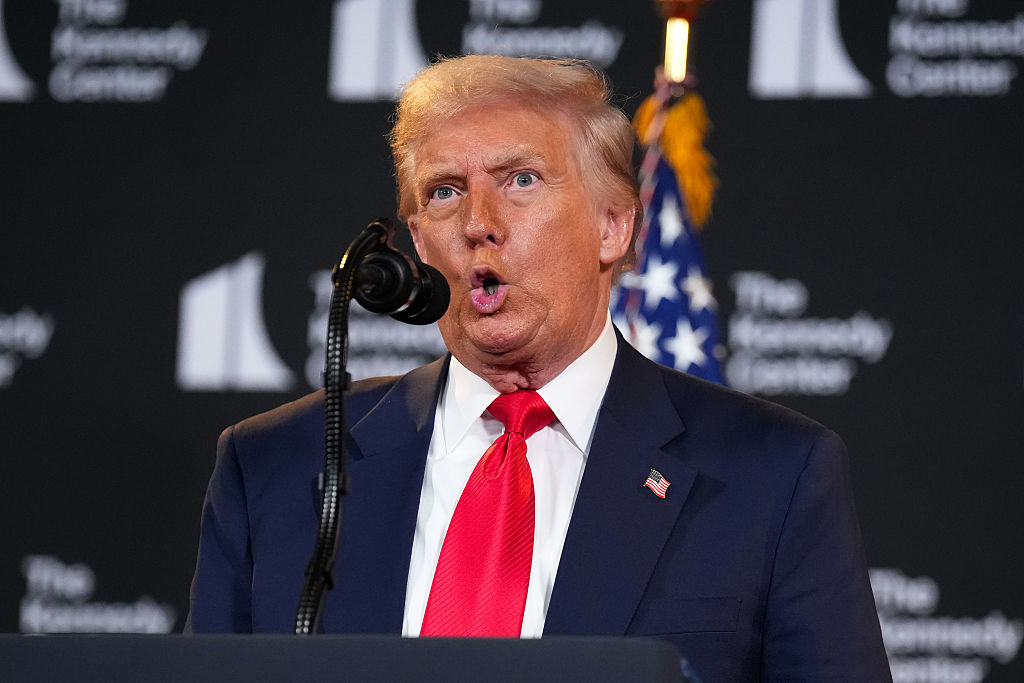 'Investors should brace for Trump’s great inflation'
Opinion Donald Trump's actions against Federal Reserve chair Jerome Powell will likely stoke rising prices. Investors should prepare for the worst, says Matthew Lynn
-
 'Governments are launching an assault on the independence of central banks'
Opinion Say goodbye to the era of central bank orthodoxy and hello to the new era of central bank dependency, says Jeremy McKeown
-
 Will Donald Trump sack Jerome Powell, the Federal Reserve chief?
It seems clear that Trump would like to sack Jerome Powell if he could only find a constitutional cause. Why, and what would it mean for financial markets?
-
 Can Donald Trump fire Jay Powell – and what do his threats mean for investors?
Donald Trump has been vocal in his criticism of Jerome "Jay" Powell, chairman of the Federal Reserve. What do his threats to fire him mean for markets and investors?
-
Do we need central banks, or is it time to privatise money?
Analysis Free banking is one alternative to central banks, but would switching to a radical new system be worth the risk?
-
 Will turmoil in the Middle East trigger inflation?
The risk of an escalating Middle East crisis continues to rise. Markets appear to be dismissing the prospect. Here's how investors can protect themselves.


