Sponsor Content Created With

Doing well by doing good


When Laura Malniece joined Amazon in 2014, working on a temporary contract at a fulfilment centre in Peterborough, she had, by her own admission, “no real vision” for her future career. Today, she’s still at Amazon, but in a much more senior role, working as an area manager in transport operation management. What made the difference was a series of courses and programmes that Amazon encouraged her to join – and paid for.
Laura was eligible for Amazon’s “Career Choice” programme, an education benefit that supports employees to build their skills for career development – at Amazon itself or elsewhere. Employees are entitled to up to 100% of tuition fees, to the value of £3,000 a year, every year for nationally recognised courses*.
“I always thought I’d end up doing something repetitive and boring as a job,” Laura says. “Amazon opened my eyes to the world of data and training and sparked something in me that I’ve been using to progress ever since.”
The Career Choice benefit is part of a broader package of benefits available at Amazon – and reflects a significant investment in employee wellbeing at the company in recent years. since 2021, the company has promised to strive to be “Earth’s best employer” and has introduced a series of initiatives since then. That has included benefits for UK employees ranging from help with fertility support to access to babysitters and petsitters, as well as a comprehensive package of flexible work contracts.

-
 Capturing long-term growth in Asia
Combining high-conviction stock picking with risk management, the Schroder Asian Total Return Investment Company aims to deliver robust long-term returns.
-
 Three compelling healthcare stocks
Three healthcare stocks, as picked by Trevor Polischuk, lead manager at the Worldwide Healthcare Trust.


-
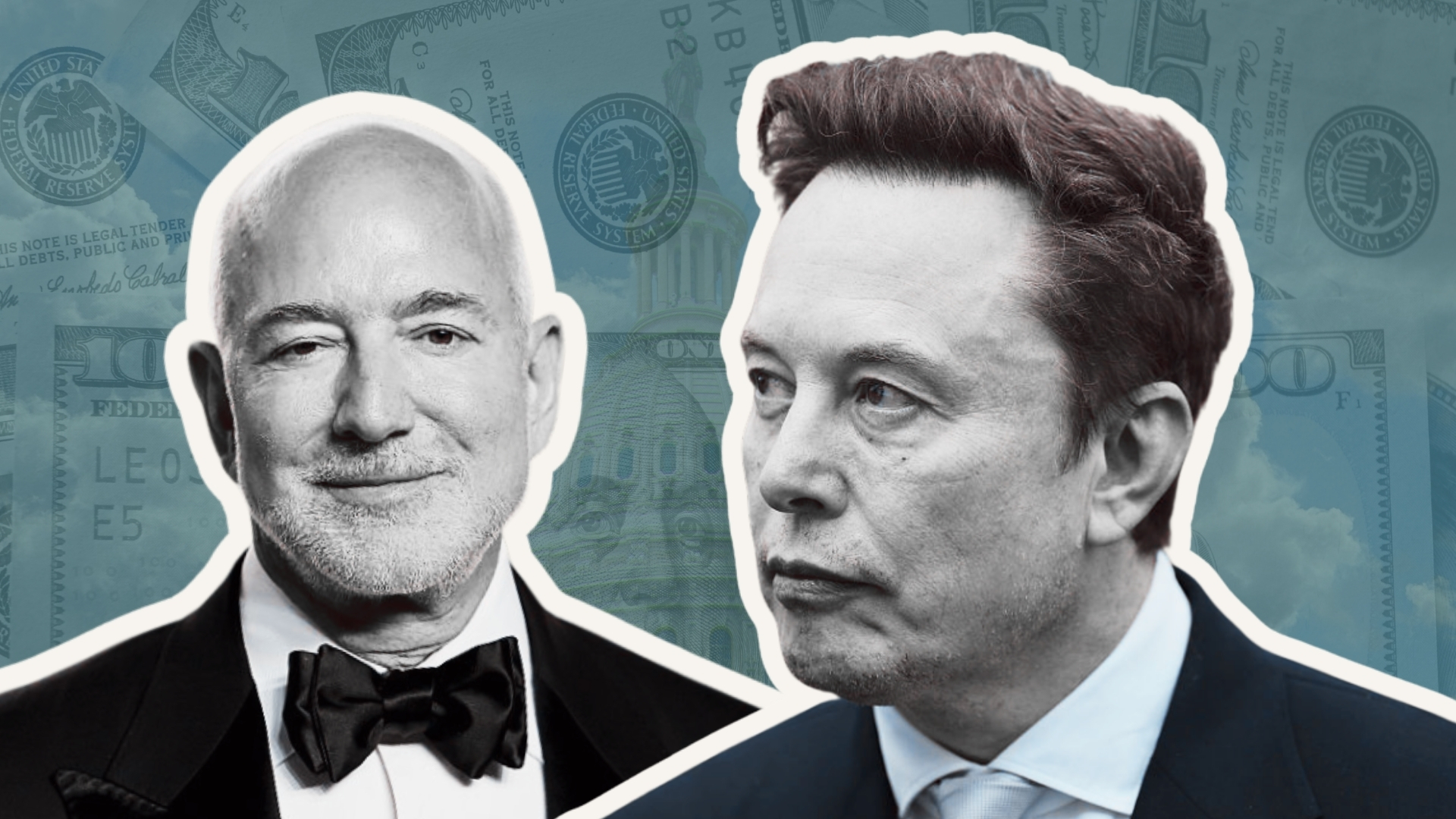 Who is the richest person in the world?
The richest person in the world is close to becoming a trillionaire. What is their net worth?
-
 November NS&I Premium Bonds winners - check now to see what you won
If you have money saved in NS&I Premium Bonds you can now check to see whether you have won a prize in the November prize draw. Here’s how to check your Premium Bonds.
-
 NS&I Premium Bonds draw – when to check if you won
NS&I Premium Bonds winners will be announced later this morning. We look at how to check you won a prize in November's draw.
-
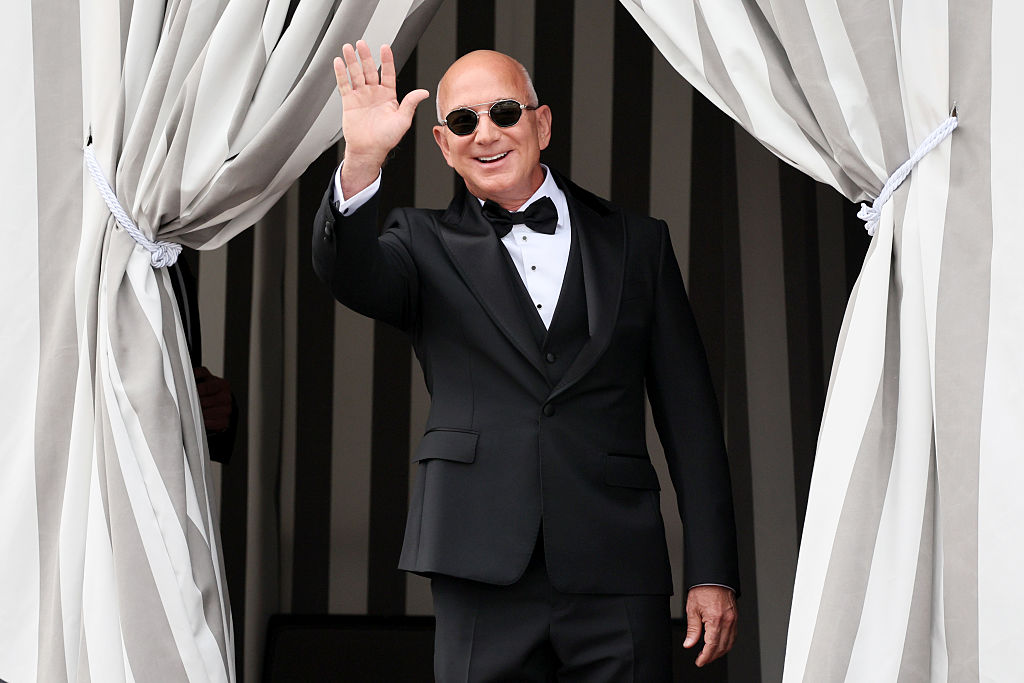 What is Jeff Bezos' net worth?
Jeff Bezos' net worth stems from his large holdings in Amazon stock. We look at how he established the world’s biggest e-retailer, his space and media investments, and what’s in store for the James Bond franchise
-
 Section 75 refunds: protection for your credit card purchases
Advice Under Section 75 of the Consumer Credit Act 1974, your credit card can give you extra protection when the goods or services you buy fall short of your expectations. Ruth Jackson-Kirby explains how it works.


