The bad news about the Grangemouth plant ‘rescue’
Ineos’s troubled Grangemouth petrochemical plant is to join the UK’s taxpayer-funded job creation scheme.

You are now subscribed
Your newsletter sign-up was successful
Want to add more newsletters?

Twice daily
MoneyWeek
Get the latest financial news, insights and expert analysis from our award-winning MoneyWeek team, to help you understand what really matters when it comes to your finances.

Four times a week
Look After My Bills
Sign up to our free money-saving newsletter, filled with the latest news and expert advice to help you find the best tips and deals for managing your bills. Start saving today!
I went on Brian's Big Debate on BBC Scotland earlier today. The main discussion, as you could probably have guessed, focused on Grangemouth. If you don't know the story so far you can read it here.
This morning it was announced that the petrochemical plant is to stay open, after the union capitulated and agreed to sign up for the original deal offered by the plant's management.
MoneyWeek
Subscribe to MoneyWeek today and get your first six magazine issues absolutely FREE

Sign up to Money Morning
Don't miss the latest investment and personal finances news, market analysis, plus money-saving tips with our free twice-daily newsletter
Don't miss the latest investment and personal finances news, market analysis, plus money-saving tips with our free twice-daily newsletter
What wasn't mentioned, however, is that the saving of Grangemouth is classic of British industrial policy. The petrochemicals business is loss making. It is working at a mere 60% of capacity. That's because, thanks to the fall off in the supply of North Sea gas, it isn't getting the feedstock (raw materials) it needs from the neighbouring refinery.
Its survival plan, beyond normalising pay conditions for its workers, is to spend £300m to build facilities to import cheap feedstock (derived from shale gas) from the US. That might work, and it might not (if the feedstock is so much cheaper in the US why not process it there?)
But let's look at what Ineos, Grangemouth's owners, needed to push them to make this investment. They needed to be sure that the workforce would be sharing the burden (no more final salary pensions here) and they needed to see commitment from the government too.
They aren't going to make this investment alone. The taxpayer is going to help out. There will be £9m in direct grants and, as part of our new industrial policy, a £125m loan guarantee facility.
That people aren't losing their jobs is good news. That the plant will still be there is good news. That Grangemouth has just become, even in a small way, part of the UK's subsidised job creation scheme isn't quite so good.

-
 Average UK house price reaches £300,000 for first time, Halifax says
While the average house price has topped £300k, regional disparities still remain, Halifax finds.
-
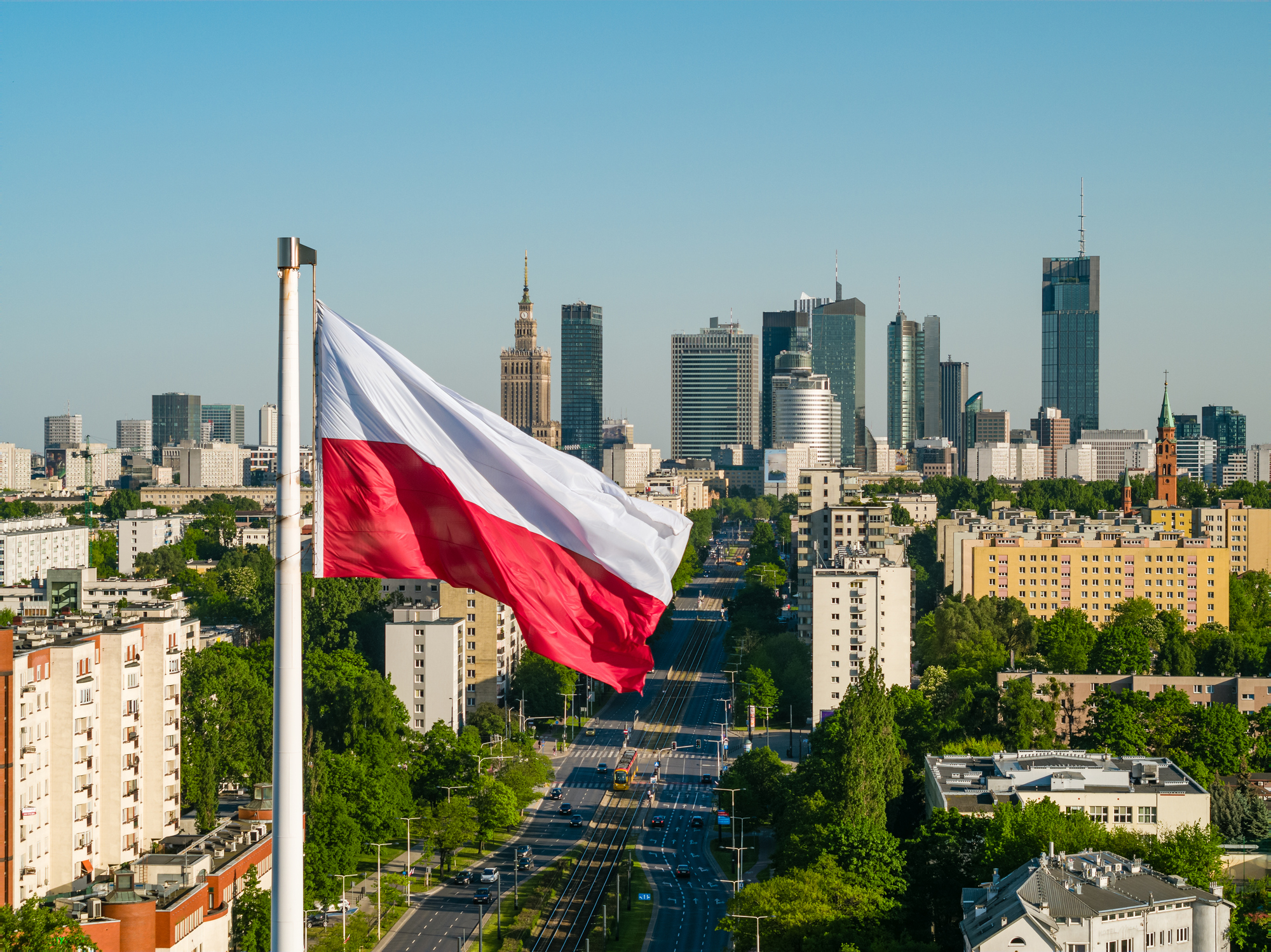 Barings Emerging Europe trust bounces back from Russia woes
Barings Emerging Europe trust has added the Middle East and Africa to its mandate, delivering a strong recovery, says Max King


-
 Beating inflation takes more luck than skill – but are we about to get lucky?
Opinion The US Federal Reserve managed to beat inflation in the 1980s. But much of that was down to pure luck. Thankfully, says Merryn Somerset Webb, the Bank of England may be about to get lucky.
-
 Rishi Sunak can’t fix all our problems – so why try?
Opinion Rishi Sunak’s Spring Statement is an attempt to plaster over problems the chancellor can’t fix. So should he even bother trying, asks Merryn Somerset Webb?
-
 Young people are becoming a scarce resource – we should value them more highly
Opinion In the last two years adults have been bizarrely unkind to children and young people. That doesn’t bode well for the future, says Merryn Somerset Webb.
-
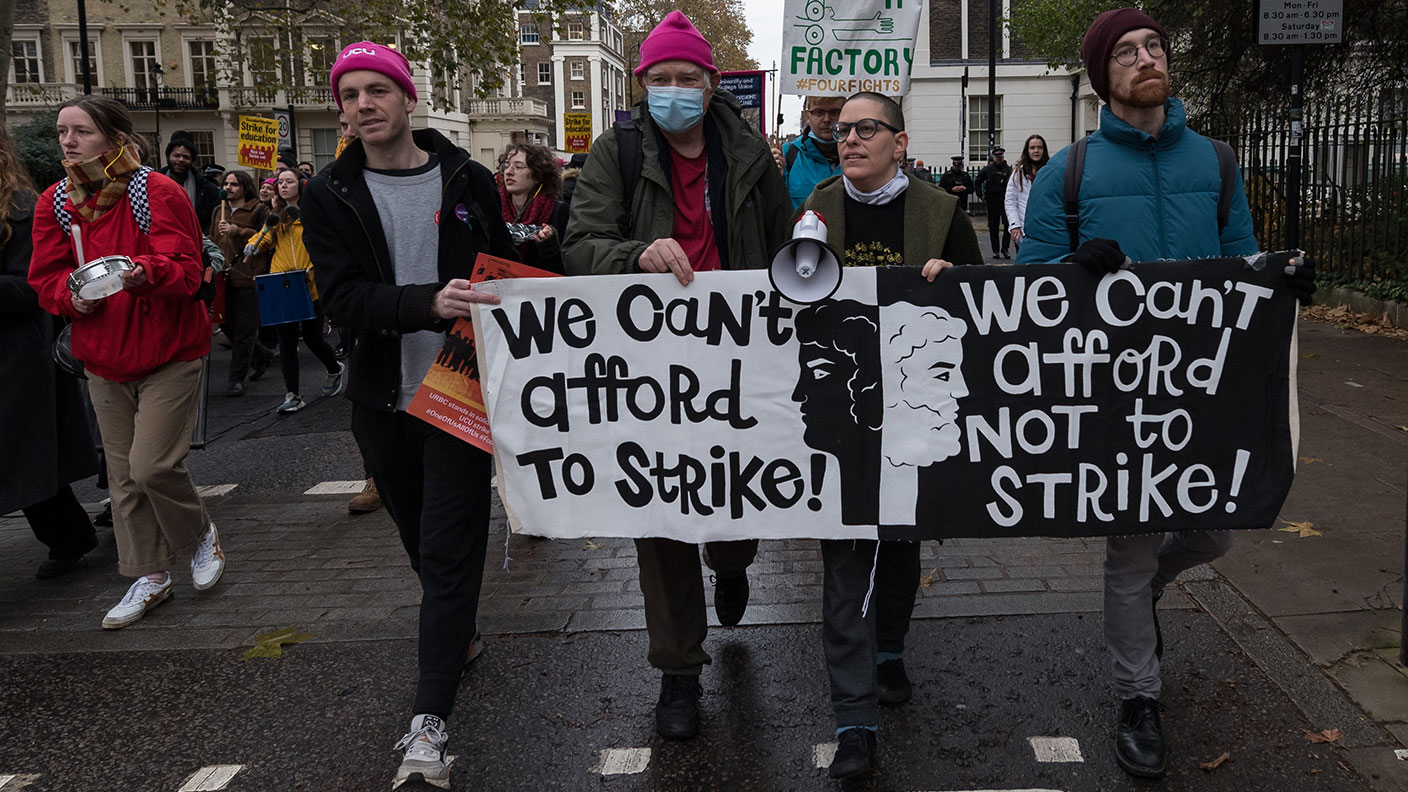 Ask for a pay rise – everyone else is
Opinion As inflation bites and the labour market remains tight, many of the nation's employees are asking for a pay rise. Merryn Somerset Webb explains why you should do that too.
-
 Why central banks should stick to controlling inflation
Opinion The world’s central bankers are stepping out of their traditional roles and becoming much more political. That’s a mistake, says Merryn Somerset Webb.
-
 How St Ives became St Tropez as the recovery drives prices sky high
Opinion Merryn Somerset Webb finds herself at the epicentre of Britain’s V-shaped recovery as pent-up demand flows straight into Cornwall’s restaurants and beaches.
-
 The real problem of Universal Basic Income (UBI)
Merryn's Blog April employment numbers showed 75 per cent fewer people in the US returned to employment compared to expectations. Merryn Somerset-Webb explains how excessive government support is causing a shortage of labour.
-
 Why an ageing population is not necessarily the disaster many people think it is
Opinion We’ve got used to the idea that an ageing population is a bad thing. But that’s not necessarily true, says Merryn Somerset Webb.


