‘It's time to stop changing the clocks twice a year’
The debate over whether we should be changing the clocks between BST and GMT twice a year has flared up again. What is the answer?
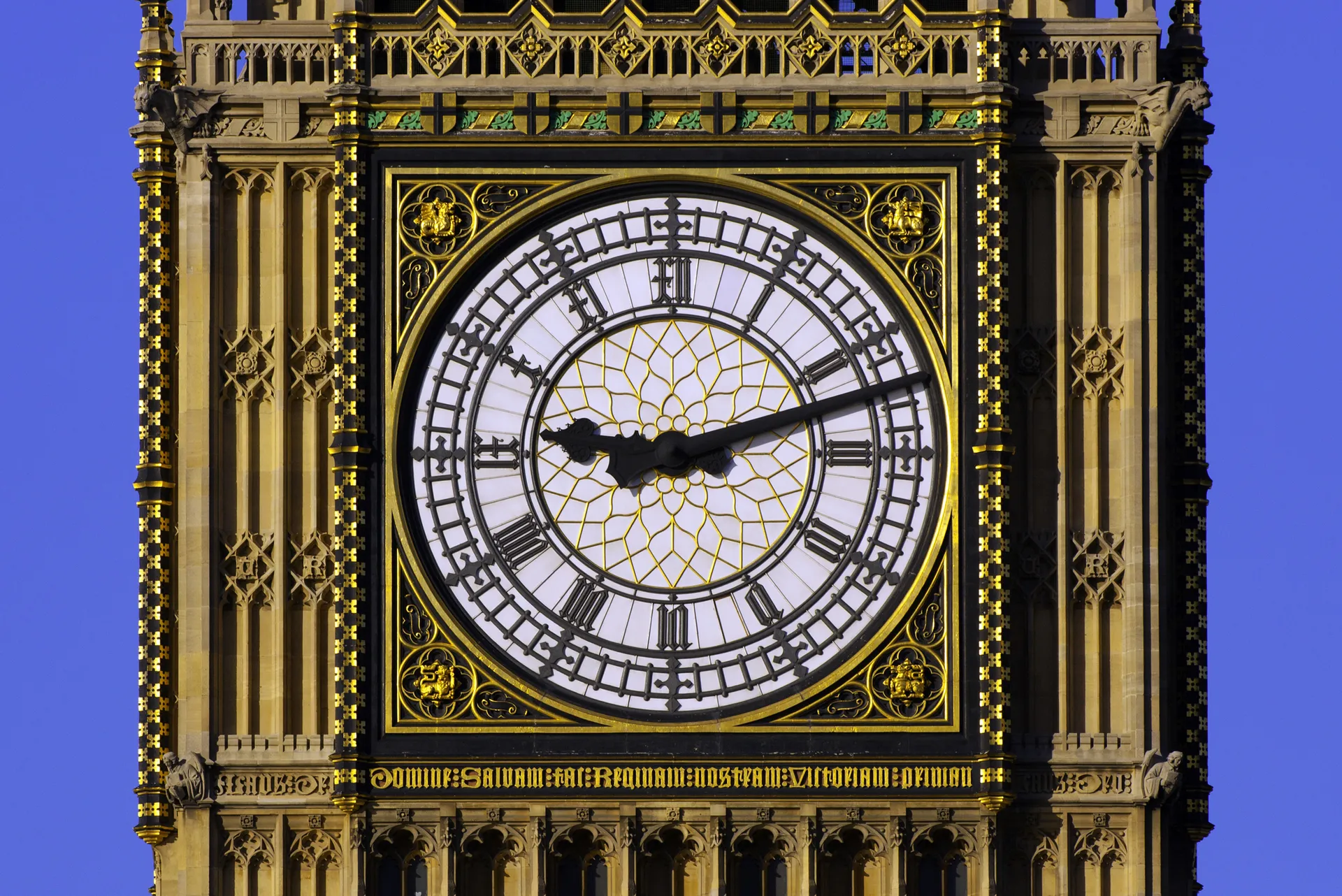
When did we start changing the clocks?
We started changing the clocks during the First World War, as a way of conserving energy. The original idea for British Summer Time (BST) had come from a politically connected Edwardian builder, William Willett. He argued – in a 1907 pamphlet called The Waste of Daylight – that moving daylight hours from morning to evening in summer by putting the clocks forward would improve health, happiness and productivity. The idea made it as far as parliament, where a Daylight Saving Bill was defeated in 1909.
But the idea of daylight saving time was taken up by Germany in the spring of 1916, with the aim of cutting the use of electric lights in the evenings and thus reducing energy consumption during wartime. Britain followed within a month, as did several more European countries. Two years later, so did the US.
Which countries change the clocks now?
About 70 countries lie far enough away from the equator to make it worth the hassle. Most of Europe, the whole of North America, and New Zealand all spring forward and fall back. But hardly any countries in Africa, Asia or South America bother, while Australia is split; different states go their own way.
Start your trial of MoneyWeek today
Get unparalleled financial insight, analysis and expert opinion you can profit from.

Sign up for MoneyWeek’s free twice-daily newsletter.
Join more than 165,000 subscribers and keep yourself informed with latest financial news, insights and expert analysis to help you understand what really matters when it comes to your finances.
Join more than 165,000 subscribers and keep yourself informed with latest financial news, insights and expert analysis to help you understand what really matters when it comes to your finances.
The reason days are longer in the summer and shorter in winter is that the Earth spins on a tilted axis, which sits at a relatively constant 23.4 degree angle to the planet's path around the sun. For that reason, the further you go from the equator, the greater the difference – in terms of daylight hours – between winter and summer.
In Britain, the longest day falls on 21 June with 16 hours and 38 minutes of daylight in London (and about 19 hours in Shetland). The shortest day, 21 December, lasts just seven hours and 49 minutes in the capital (and less than six hours in Shetland). In Ecuador, Uganda or Singapore, by contrast, days and nights are of equal length year-round, so there's no point in changing the clocks.
Why is changing the clocks in the news again?
Firstly, because proponents of changing the clocks argue that the case for scrapping the change and instead moving to permanent Daylight Saving Time, or Greenwich Mean Time (GMT) +1, has been boosted by the energy crisis. And secondly, because the case for permanent summer time has a powerful and committed advocate in president Donald Trump.
In terms of energy, the extra daylight in the afternoon and evening would mean people put their lights and heating on later. In the UK, daily demand for energy peaks between 5pm and 7pm, with demand in winter starting to rise sharply just before 4pm. So the extra hour would make a big difference. By contrast, the darker mornings would have a negligible impact on energy, since households tend to use lights and heating on winter mornings anyway.
According to 2022 research from Aoife Foley of Queen's University Belfast, sticking to BST could save households between £1.2 billion and £2.3 billion a year, while the Republic of Ireland could cut its carbon emissions by 3.5% due to the decrease in residential usage. The shift to permanent daylight saving time is an easy way of helping ease the energy crisis, proponents say.
Didn't we shift to permanent daylight saving time before?
Yes. During the Second World War, the UK moved the clocks forward by an hour all year-round in a drive to save energy – so using GMT+1 in the winter and even moving to GMT+2 (or “British Double Summer Time”) in the summer.
The experiment was repeated in 1947 because of severe fuel shortages. Then in the late 1960s the UK adopted permanent BST for three years, before returning to the spring-forward fall-back system. Part of the reason for switching back was the effect in Scotland, where year-round BST means horribly dark mornings in winter. Even on GMT, the sun won't rise until 8.42am in Edinburgh on 21 December. A shift to permanent daylight saving time looks unlikely. But other countries may take the plunge.
Which countries could shift to permanent daylight saving time?
Most prominently the US. In July the House of Representatives passed the Sunshine Protection Act, which – if passed by the Senate – would move the whole of the US to permanent Daylight Year-round summer time. President Trump strongly backs the legislation.
Why does Trump back the Sunshine Protection Act?
The strong suspicion, said Matt Vizer in The Atlantic, is that Trump's motivation is not national well-being, but golf. PGA Tour chief executive Brian Rolapp met Trump and discussed daylight saving a few weeks ago. He calculates that switching to year-round daylight saving time would generate 23 million additional rounds of golf each year and pump $1 billion into the golf industry. Trump, the owner of multiple golf clubs, has clearly taken note. In fact, in terms of well-being, there's a far stronger case for making standard time permanent, rather than daylight saving,
What's the rationale for permanent standard time?
Because standard time – ie, GMT – more closely aligns with the natural light-dark cycles of day and night and the human body's circadian rhythms. Choosing to shift an hour of natural light from the start to the end of the day makes light summer evenings longer – but the price of dark mornings in winter is too high, says Beth Ann Malow on The Conversation. “Morning light is essential for helping to set the body's natural rhythms. It wakes us up, and improves alertness and boosts mood.”
Meanwhile, extending evening light delays the brain's release of melatonin, the hormone that promotes drowsiness, thus interfering with sleep. This goes far beyond mere inconvenience – “springing forward” each March is connected to serious negative effects, including an uptick in heart attacks and cardiovascular disease, metabolic syndrome and poorer academic performance owing to less sleep. The question, said The Economist, is not whether we should be putting the clocks back next weekend. We should. The question is rather whether we should put them forward again next spring.
This article was first published in MoneyWeek's magazine. Enjoy exclusive early access to news, opinion and analysis from our team of financial experts with a MoneyWeek subscription.
Join more than 165,000 subscribers and keep yourself informed with the latest financial news, insights and expert analysis to help you understand what really matters when it comes to your finances.