Get the latest financial news, insights and expert analysis from our award-winning MoneyWeek team, to help you understand what really matters when it comes to your finances.
You are now subscribed
Your newsletter sign-up was successful
Want to add more newsletters?
The game of cricket has been around in one form or another for at least 450 years and has become England's national game. A game that traditionally has taken up to five days to complete, which often has no clear winner, and which can't be played in the rain or under bad light in a country notorious for its wet and gloomy weather.
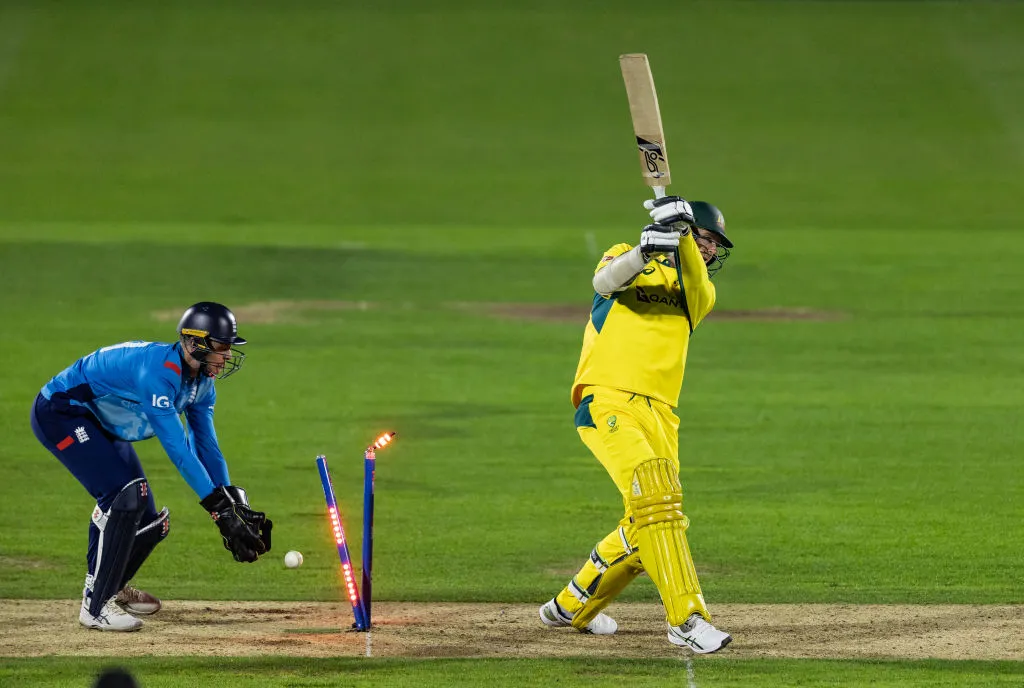
But on this day in 1971, something happened that changed the face of the game. To the delight of many, and to the horror of many others, the first ever one-day international cricket match was played.
The third test of the Ashes series between England and Australia, at a cold and wet Melbourne Cricket Ground, was washed out, with no play possible in the first three days. So, to recoup some of their losses, and to give the spectators something to watch, the Australian Cricket Board (headed by legendary batsman Don Bradman) and the MCC agreed to put on a one-day match on what would have been the fifth day of the test.
Try 6 free issues of MoneyWeek today
Get unparalleled financial insight, analysis and expert opinion you can profit from.

Sign up to Money Morning
Don't miss the latest investment and personal finances news, market analysis, plus money-saving tips with our free twice-daily newsletter
A 40-over match, with eight balls per over, was agreed. And, somewhat to the surprise of the organisers (the caterers had been told to allow for 20,000 people), 46,000 people turned up to watch.
England batted first, and were all out for 190 off 39.4 overs. John Edrich made the first one-day international half-century, and the highest score of the game, hitting 82 runs. Australia won by five wickets, however, with 42 balls remaining.
In a demonstration of just how trifling the cricketing establishment thought the game was, the Wisden Cricketers' Almanack of 1972 didn't carry a report of the match. The Times, however, did have an inkling of the importance of the occasion. "So successful was the one-day cricket match played here today", it reported, "that one is bound to wonder what it may lead to."
Get the latest financial news, insights and expert analysis from our award-winning MoneyWeek team, to help you understand what really matters when it comes to your finances.

-
Financial education: how to teach children about moneyFinancial education was added to the national curriculum more than a decade ago, but it doesn’t seem to have done much good. It’s time to take back control
-
Investing in Taiwan: profit from the rise of Asia’s Silicon ValleyTaiwan has become a technology manufacturing powerhouse. Smart investors should buy in now, says Matthew Partridge