22 January 1979: Public sector strike cripples Britain
On this day in 1979, thousands of public sector workers downed tools over the Labour government's unpopular policy to tackle inflation.


You are now subscribed
Your newsletter sign-up was successful
Want to add more newsletters?

Twice daily
MoneyWeek
Get the latest financial news, insights and expert analysis from our award-winning MoneyWeek team, to help you understand what really matters when it comes to your finances.

Four times a week
Look After My Bills
Sign up to our free money-saving newsletter, filled with the latest news and expert advice to help you find the best tips and deals for managing your bills. Start saving today!
Against a backdrop of sleet and snow, relations between the trade unions and the Labour government turned decidedly icy in January 1979. This came after months of the two sides trying to best the other without dealing a lethal blow.
After all, Labour needed the funds the trade unions raised for the party, and the trade unions needed Labour in government, especially with a general election somewhere on the horizon.
MoneyWeek
Subscribe to MoneyWeek today and get your first six magazine issues absolutely FREE

Sign up to Money Morning
Don't miss the latest investment and personal finances news, market analysis, plus money-saving tips with our free twice-daily newsletter
Don't miss the latest investment and personal finances news, market analysis, plus money-saving tips with our free twice-daily newsletter
The Trades Union Congress (TUC) declared that, while it shared the government's "determination to win the battle against inflation", it "did not accept the government's view on how this can be achieved".
An annoyed prime minister, James Callaghan, attempted to force the trade unions back into line with the threat of an imminent election. Many unions did get back behind the government, only for Callaghan to renege on the idea, embarrassing and infuriating union leaders.
At that point, trust in the government had been fatally undermined. What made it so much worse was that it was all very public, and the leader of the opposition, Margaret Thatcher, was watching.
The bickering continued as the weather turned bitterly cold, while unemployment continued to soar. When Callaghan returned beaming from a conference in the Caribbean in January, he appeared badly out of touch.
On 22 January, tens of thousands of public sector workers downed tools. Public services were halted until the middle of February, with rubbish left uncollected on the side of the roads, and the army driving ambulances.
After losing a vote of confidence at the end of March by a single vote, Callaghan called a general election for May. The Conservatives won, and Callaghan's Labour government was brought to an end.

-
 Average UK house price reaches £300,000 for first time, Halifax says
While the average house price has topped £300k, regional disparities still remain, Halifax finds.
-
 Barings Emerging Europe trust bounces back from Russia woes
Barings Emerging Europe trust has added the Middle East and Africa to its mandate, delivering a strong recovery, says Max King


-
 Was Margaret Thatcher great for Britain?
The 'Iron Lady’ would be celebrating her 100th birthday this month. Margaret Thatcher rose to power in 1979 as the first ever female prime minister and was one of the most controversial leaders in history, but how did her policies shape today’s finances?
-
 It’s been 16 years, but the UK economy finally has a chance
Opinion The UK economy has been dealing with one crisis after another since 2007. Policymakers now have a chance to fix some of the underlying problems holding back growth.
-
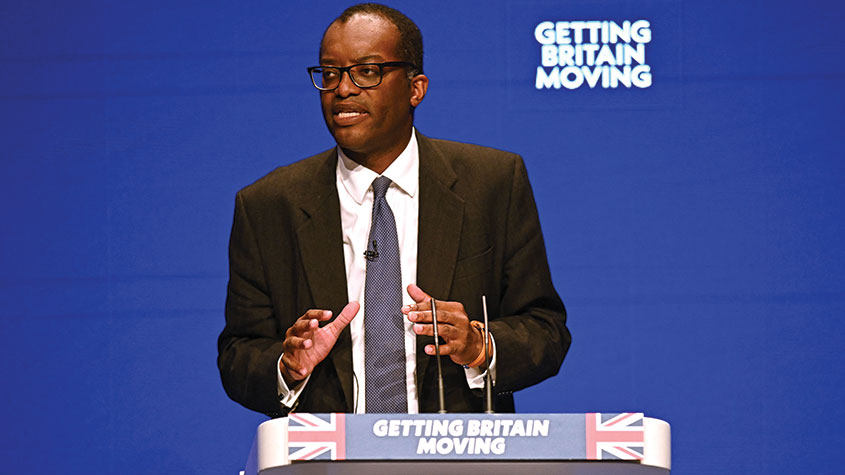 The “plan for growth”: what Truss and Kwarteng got right
Opinion The Tories’ “plan for growth” has got off to a bad start, but their reforms can still transform Britain
-
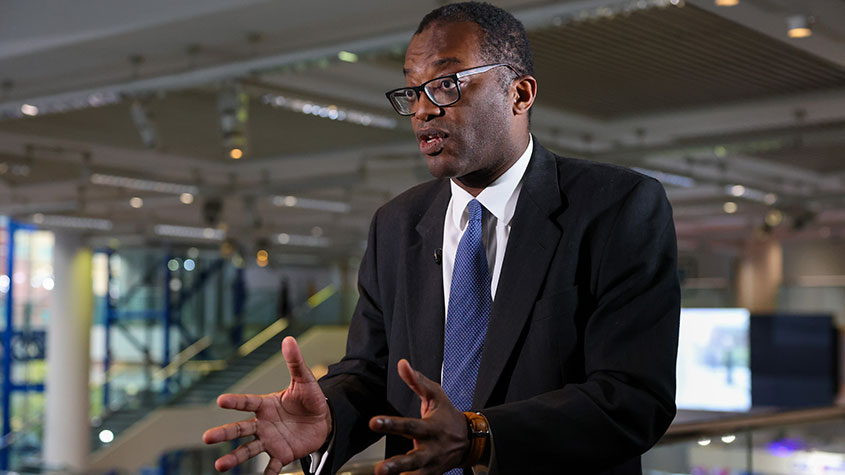 Kwasi Kwarteng U-turns on top tax rate decision
News Kwasi Kwarteng has U-turned on his top tax rate reduction announced in his mini-Budget at the end of September.
-
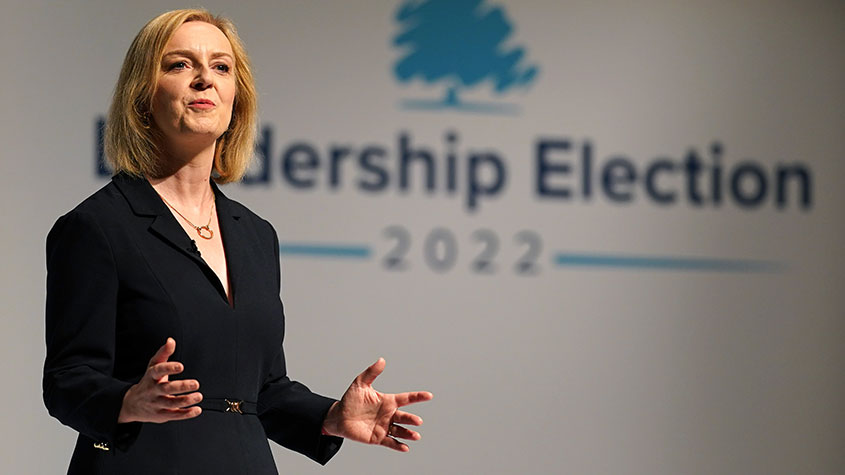 Investors should get ready for a political revolution
Opinion Liz Truss will beat Rishi Sunak, cut taxes, and then shake up the Bank of England, says Helen Thomas
-
 Who will be the next prime minister and what are the bookies’ odds?
News The Tory leadership contest is in its final phase. Matthew Partridge reports on the contest and looks at who the bookies’ favourite is.
-
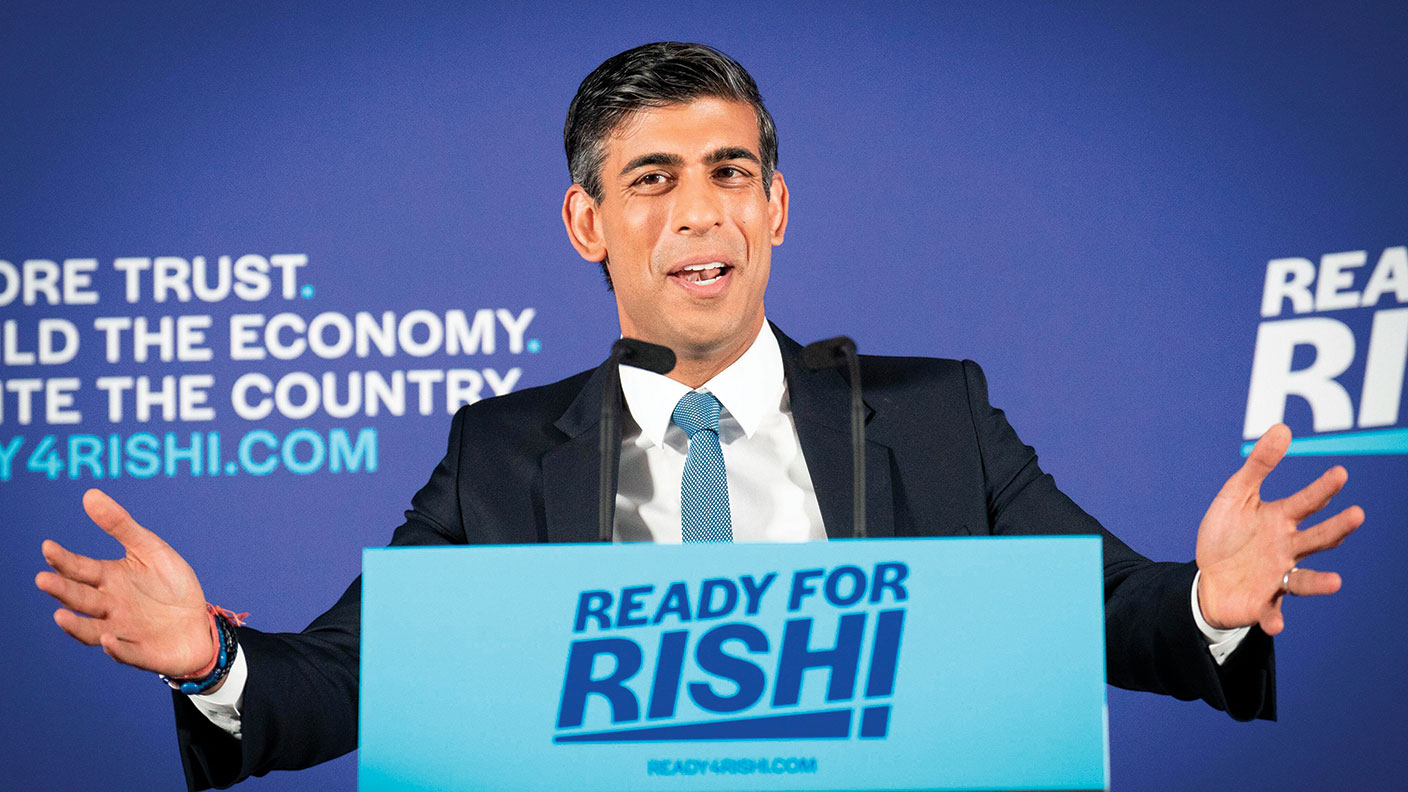 The public may have reached its limit for tax rises
Editor's letter The UK tax burden is now at a 70-year high. And, while there may be some reason to hold off on cuts right now, taxes are too high because the state tries to do too much. Perhaps it should do less, says Merryn Somerset Webb.
-
 Boris Johnson's exit leaves Britain with a towering in-tray
Briefings Britain’s economic problems are rapidly piling up after the last few years of drift and chaos. What should we do first?


