Join more than 165,000 subscribers and keep yourself informed with the latest financial news, insights and expert analysis to help you understand what really matters when it comes to your finances.
You are now subscribed
Your newsletter sign-up was successful
Want to add more newsletters?
An account already exists for this email address, please log in.
Likewise Group: a cheap small-cap with huge potential
Likewise Group moved in quickly to capitalise on a rival's failure. The future looks bright – should you buy?
As CEO of Likewise Group (Aim: LIKE), Tony Brewer is playing out the final act in a long-running commercial rivalry. Brewer built UK flooring distributor Headlam into the market leader. But it collapsed into administration on 1 September, and now he is running the company taking its place
Brewer entered the carpet trade in 1977 as a 17-year-old at Midlands Carpet Distributors (MCD). There he learned the ropes under founder Graham Waldron. In 1991, Brewer and Waldron took a 22% stake in the listed conglomerate Headlam. Waldron was CEO at the time. They stripped out its legacy footwear and textile divisions, turning the company into a focused flooring distributor designed to consolidate the UK wholesale floor-coverings market.
At the time, the trade was populated by hundreds of small, family-owned merchants. Most carried modest stock, ran inefficient local delivery routes and lacked buying power with continental mills. Brewer and Waldron saw an opportunity and began buying these operators, preserving local trading names and centralising supplier negotiations.
Start your trial of MoneyWeek today
Get unparalleled financial insight, analysis and expert opinion you can profit from.
Sign up for MoneyWeek’s free twice-daily newsletter.
Join more than 165,000 subscribers and keep yourself informed with latest financial news, insights and expert analysis to help you understand what really matters when it comes to your finances.
Join more than 165,000 subscribers and keep yourself informed with latest financial news, insights and expert analysis to help you understand what really matters when it comes to your finances.
Between 1991 and the 2008 financial crisis, Headlam became one of the London market's best-performing stocks, generating operating margins near 8% and returns on capital employed comfortably above 20%. When the crisis halted UK housing transactions, the sharp drop in flooring installations sent scores of private distributors to the wall. Headlam absorbed the shock, took the displaced accounts and emerged controlling roughly 30% of the domestic wholesale market.
Brewer was highly regarded by investors and staff alike. Then, in 2016, the board intervened. Disagreements over operational strategy and succession led to a boardroom rupture and Brewer walked out of the business he had spent a quarter of a century creating.
Two years in exile convinced Brewer that Headlam was vulnerable. Under the succeeding management, the market leader had become bureaucratic and indebted, with a sprawling network of regional properties and central administrative overheads. In 2018, Brewer partnered with property investor Paul Bassi to establish Likewise Group, floating the business on Aim to secure development capital. The objective was simple: build a modern distributor that could replicate Headlam's original service model without inheriting its structural deadweight.
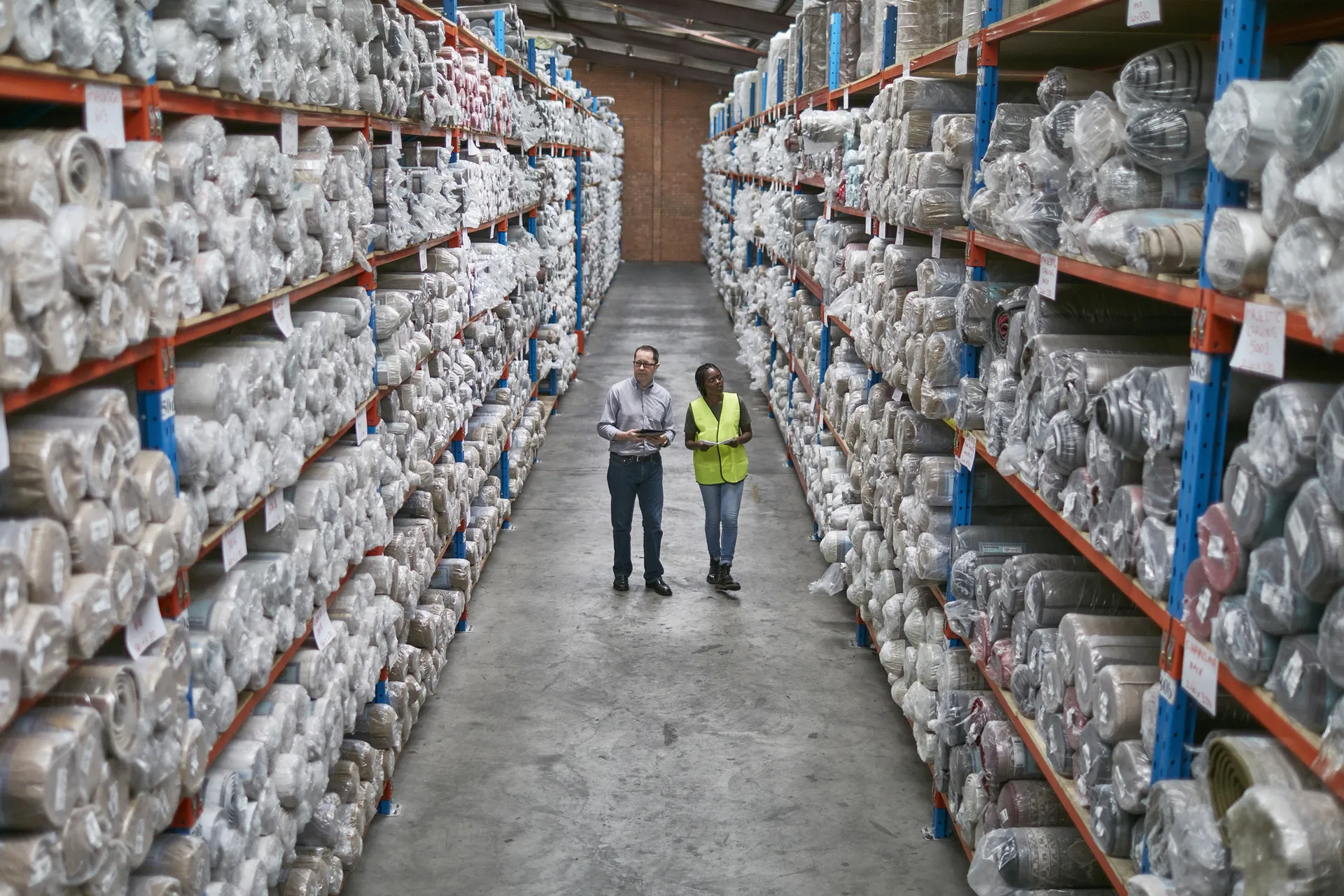
Wholesale flooring distribution depends on logistics and relationships. Independent flooring retailers, regional contractors and self-employed carpet fitters cannot afford the capital or warehouse space to hold large inventories. The distributor carries the stock, extends trade credit and provides the delivery infrastructure needed.
Relationships matter just as much. Independent retailers and trade fitters tend to buy from sales representatives they trust to resolve delivery problems and secure stock allocations, rather than from a corporate brand. A decent sales representative will typically handle between 120 and 140 commercial accounts. Brewer used his industry standing to recruit heavily from Headlam's commercial team. Over several years, dozens of sales representatives, regional managers and senior logistics directors moved to Likewise. When they moved, many of their local trade clients followed.
The result was a damaging loss of volume at Headlam. In wholesale distribution, where operating margins rarely exceed mid-single digits, high fixed costs in depot leases and central overheads mean falling volumes can rapidly erode profits and turn to painful losses. As sales slipped, Headlam's overheads overwhelmed operating cash flow, turning predictable earnings into trading losses and adding to the strain on its debt facility until liquidity ran out. Capturing the spoils of Headlam's collapse will not be a simple walkover. The UK wholesale trade is no longer populated by the inefficient merchants of the 1990s. The surviving independent distributors are disciplined, well-managed businesses with clean balance sheets and strong regional customer loyalty. They will contest every square yard of displaced volume.
Likewise Group has plenty of room to grow
Likewise Group has been taking share from Headlam for years. Its national network is smaller but newer, and its sales operation has been built around many of the people who know Headlam's customers. Headlam falling into administration therefore accelerates a process that was already under way.
The business also needs to spend money on warehouses, equipment and stock before it can handle much more trade. That explains why Likewise Group raised £32.5 million in fresh equity in July. Management is using the proceeds to fund freehold logistics facilities needed to handle the additional trade.
Likewise Group now has significant spare capacity. As stranded trade accounts and displaced contractor orders flow into its national network, the additional revenue should carry little extra distribution cost. Moving from current revenue run-rates towards its £300 million capacity ceiling could therefore lift operating margins from the current 2.5% towards 5%, or 6% if the UK housing cycle turns favourable.
At full capacity, that throughput generates between £15 million and £18 million in annual operating profit. Against an enterprise value of about £100 million, the shares trade on less than seven times mature operating profit. The Aim market holds scores of cheap small-cap shares that languish for want of a catalyst. Likewise has one. The irony is that the man who built Headlam is now in the best position to pick up what it has left behind.
(Image credit: Future)
This article was first published in MoneyWeek's magazine. Enjoy exclusive early access to news, opinion and analysis from our team of financial experts with a MoneyWeek subscription.
Sign up for MoneyWeek's newsletters
Join more than 165,000 subscribers and keep yourself informed with the latest financial news, insights and expert analysis to help you understand what really matters when it comes to your finances.