You are now subscribed
Your newsletter sign-up was successful
Want to add more newsletters?

Twice daily
MoneyWeek
Get the latest financial news, insights and expert analysis from our award-winning MoneyWeek team, to help you understand what really matters when it comes to your finances.

Four times a week
Look After My Bills
Sign up to our free money-saving newsletter, filled with the latest news and expert advice to help you find the best tips and deals for managing your bills. Start saving today!

The current turbulence of emerging markets should not come as a surprise to anyone, says Satyajit Das on Bloomberg. "The stresses have been building since at least 2013," he says. Back then the "taper tantrum" (a fit of panic that welcomed the Federal Reserve's plans to reduce quantitative easing) took its toll on the "Fragile Five" a term coined by Morgan Stanley to describe the vulnerability of Brazil, India, Indonesia, Turkey and South Africa to capital outflows. Five years on, we may now have a "textbook recipe for an emerging-market crisis".
Such a crisis requires high debt and a domestic credit bubble, as well as a misallocation of capital into uneconomic projects, according to Das. It also requires weak banking sectors, budget deficits and substantial short-term foreign-currency debt (usually debt denominated in dollars that needs to be "rolled over" imminently). Lastly, it requires "narrowly based industrial structures, reliance on commodity exports, institutional weaknesses", and poor political and economic leadership. "Based on these criteria, the number of emerging markets at risk extends well beyond Turkey and Argentina."
Total emerging-market debt grew from $21trn (145% of GDP) in 2007 to $63trn (210% of GDP) last year. Of that debt, around $1.5trn needs to be refinanced in 2019 and the same again in 2020. But "many are not earning enough to meet these commitments" and, worse still, "global liquidity tightening, led by the US Federal Reserve increasing rates and unwinding its bond purchases, reduces capital inflows and increases the cost of borrowing", adds Das. Those stresses are only made worse by current trade tensions and sanctions.
MoneyWeek
Subscribe to MoneyWeek today and get your first six magazine issues absolutely FREE

Sign up to Money Morning
Don't miss the latest investment and personal finances news, market analysis, plus money-saving tips with our free twice-daily newsletter
Don't miss the latest investment and personal finances news, market analysis, plus money-saving tips with our free twice-daily newsletter
It was higher returns on local-currency debt that drew foreign investors to India, China, Malaysia, Indonesia, Mexico, Brazil, South Africa and eastern Europe in the first place. Now, "weakening currencies may drive them to exit, hurting all assets".
-
 Average UK house price reaches £300,000 for first time, Halifax says
While the average house price has topped £300k, regional disparities still remain, Halifax finds.
-
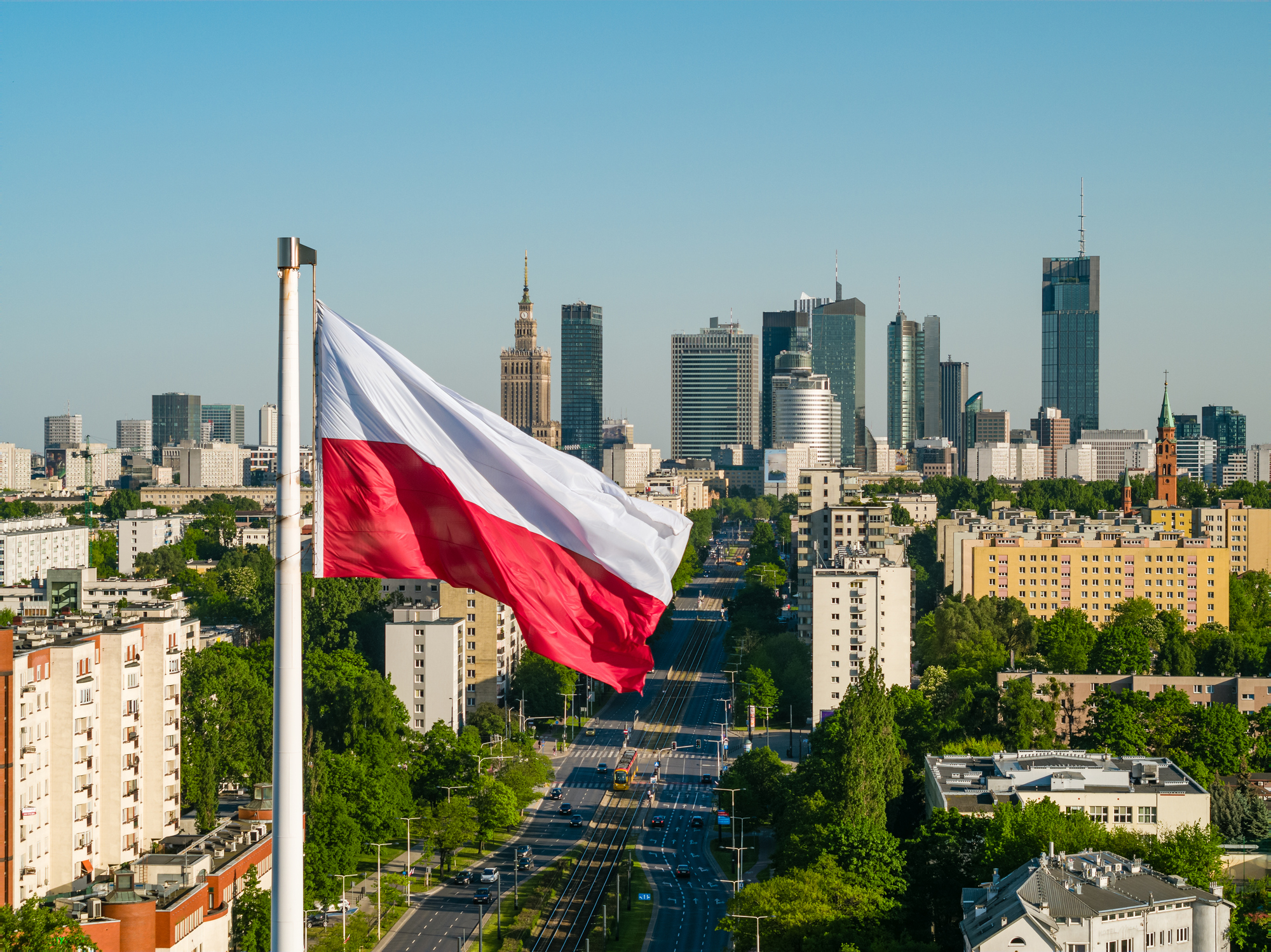 Barings Emerging Europe trust bounces back from Russia woes
Barings Emerging Europe trust has added the Middle East and Africa to its mandate, delivering a strong recovery, says Max King

