3 February 1960: Macmillan’s “wind of change” speech
Harold Macmillan gave his famous “wind of change” speech on his visit to Africa on this day in 1960, marking a change in Britain's colonial policy.

You are now subscribed
Your newsletter sign-up was successful
Want to add more newsletters?

Twice daily
MoneyWeek
Get the latest financial news, insights and expert analysis from our award-winning MoneyWeek team, to help you understand what really matters when it comes to your finances.

Four times a week
Look After My Bills
Sign up to our free money-saving newsletter, filled with the latest news and expert advice to help you find the best tips and deals for managing your bills. Start saving today!
The British Empire had its origins in the late 16th century, and slowly expanded to become the biggest the world had ever seen, with 400 million people under its wing.
Other European powers were having a torrid time with their colonies. France, in particular, was battling to hang on to its empire, and was waging a bloody war in Algeria. Britain's empire was slowly dissolving. Ghana (then the Gold Coast) had become independent in 1957. Nigeria would become independent later in 1960. Britain could either hold on to its past glories by force, as France was failing to do, or accept the inevitability of its demise.
MoneyWeek
Subscribe to MoneyWeek today and get your first six magazine issues absolutely FREE

Sign up to Money Morning
Don't miss the latest investment and personal finances news, market analysis, plus money-saving tips with our free twice-daily newsletter
Don't miss the latest investment and personal finances news, market analysis, plus money-saving tips with our free twice-daily newsletter
Against this background, Conservative prime minister, Harold Macmillan, visited South Africa in 1960. Macmillan told the South African parliament: “The wind of change is blowing through this continent, and whether we like it or not, this growth of national consciousness is a political fact. We must all accept it as a fact, and our national policies must take account of it.”
It pointed the new direction of British colonial policy. Within 20 years, virtually the whole of Britain's empire had been dismantled. There was a brief resurgence in imperial tub-thumping with the Falklands War in 1982, but the final nail in the coffin of Empire came in 1997, when Hong Kong was handed over to China.

-
 Average UK house price reaches £300,000 for first time, Halifax says
While the average house price has topped £300k, regional disparities still remain, Halifax finds.
-
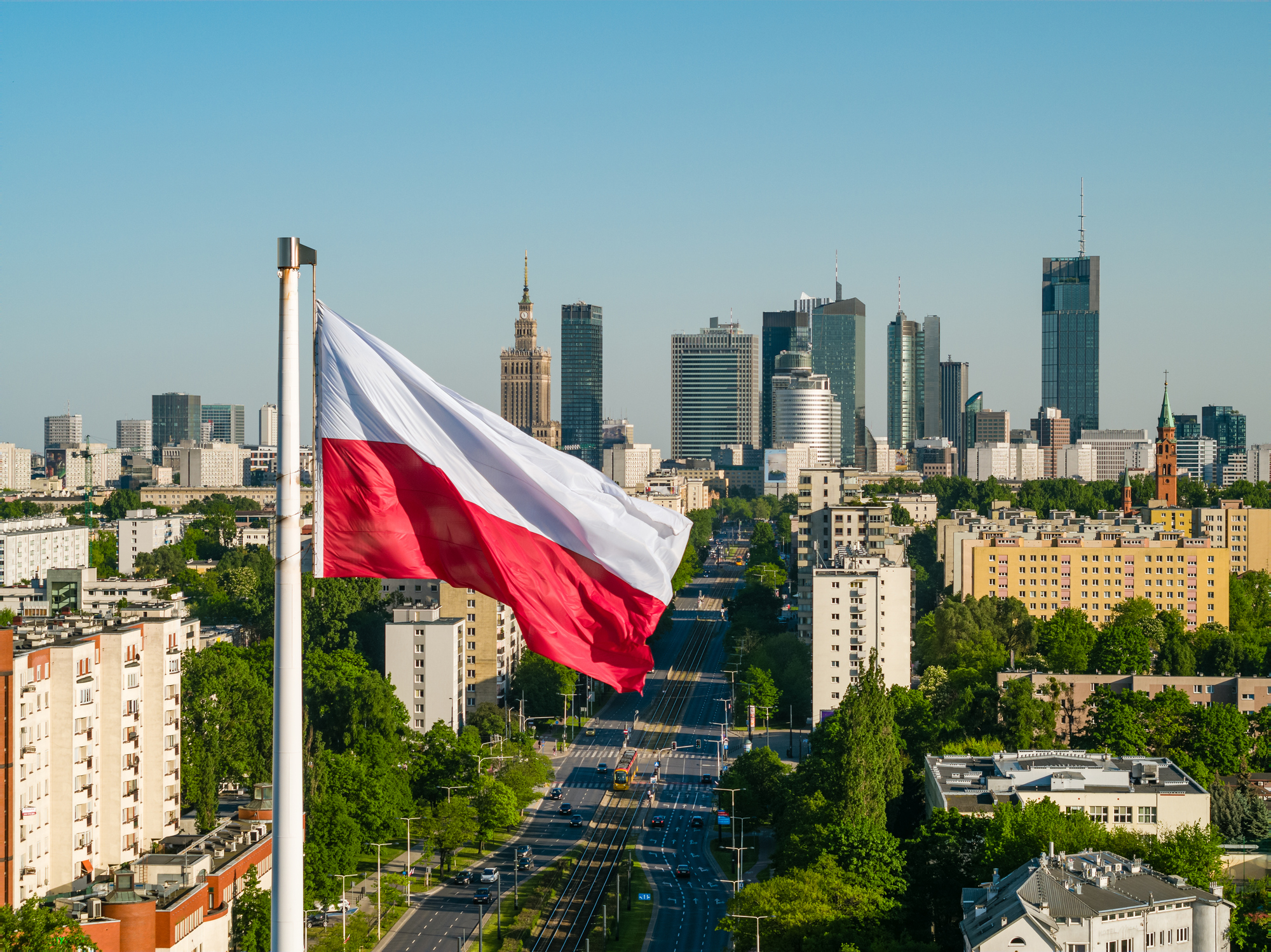 Barings Emerging Europe trust bounces back from Russia woes
Barings Emerging Europe trust has added the Middle East and Africa to its mandate, delivering a strong recovery, says Max King

