12 January 1895: the National Trust is founded
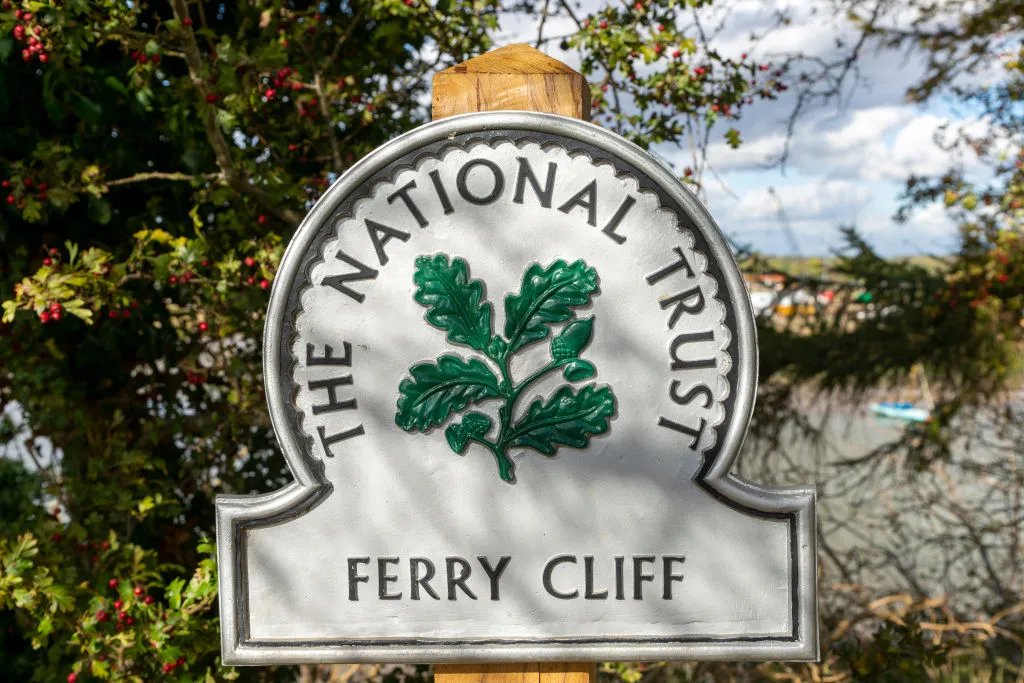
On this day in 1895, the National Trust was founded to “set aside the best and most beautiful parts of Britain for the public and posterity”.

You are now subscribed
Your newsletter sign-up was successful
Want to add more newsletters?

Twice daily
MoneyWeek
Get the latest financial news, insights and expert analysis from our award-winning MoneyWeek team, to help you understand what really matters when it comes to your finances.

Four times a week
Look After My Bills
Sign up to our free money-saving newsletter, filled with the latest news and expert advice to help you find the best tips and deals for managing your bills. Start saving today!
When you're a child and you're made to endure endless trips round stately homes to stare at ugly furniture preserved behind ropes you're not allowed to cross, it's easy to imagine that the National Trust was conceived by the country's old people as a way to punish naughty children with an afternoon of boredom.
Its original purpose, however, was to preserve open spaces by acquiring land. It was formed on this day in 1895 "to set aside the best and most beautiful parts of Britain for the public and posterity". And it certainly owns a lot of land – 618,000 acres of the stuff, including 25% of the Lake District, 10% of the Peak District, and 775 miles of coastline.
But it is big posh houses that it is famous for. It acquired its first one in 1907, the Tudor manor house of Barrington Court in Somerset, scene of much of the BBC's candlelit tale of treachery and intrigue, Wolf Hall. But the cost of renovating and maintaining the country pile meant the Trust wouldn't acquire another one for over 30 years.
MoneyWeek
Subscribe to MoneyWeek today and get your first six magazine issues absolutely FREE

Sign up to Money Morning
Don't miss the latest investment and personal finances news, market analysis, plus money-saving tips with our free twice-daily newsletter
Don't miss the latest investment and personal finances news, market analysis, plus money-saving tips with our free twice-daily newsletter
Now, however, it owns over 350 historic houses, gardens and monuments, about half of which are big country houses. There was something of a wave of donations after the Second World War when changes to death duties meant that many aristocrats couldn't afford to pass on their ancestral homes. By the 1970s, however, the Trust began insisting on an endowment to cover the cost of maintaining the properties it was offered.
These days, the Trust is trying to broaden its portfolio, and is busily acquiring properties that might appeal to a broader section of society – factories, workhouses and, famously, John Lennon's semi-detached boyhood home.

-
 Average UK house price reaches £300,000 for first time, Halifax says
While the average house price has topped £300k, regional disparities still remain, Halifax finds.
-
 Barings Emerging Europe trust bounces back from Russia woes
Barings Emerging Europe trust has added the Middle East and Africa to its mandate, delivering a strong recovery, says Max King

