4 January 1698: the Palace of Whitehall is destroyed by fire
On this day in 1698, the Palace of Whitehall, one of Europe's most complex and beautiful royal residences, burned down after a basket of linen caught fire

You are now subscribed
Your newsletter sign-up was successful
Want to add more newsletters?

Twice daily
MoneyWeek
Get the latest financial news, insights and expert analysis from our award-winning MoneyWeek team, to help you understand what really matters when it comes to your finances.

Four times a week
Look After My Bills
Sign up to our free money-saving newsletter, filled with the latest news and expert advice to help you find the best tips and deals for managing your bills. Start saving today!
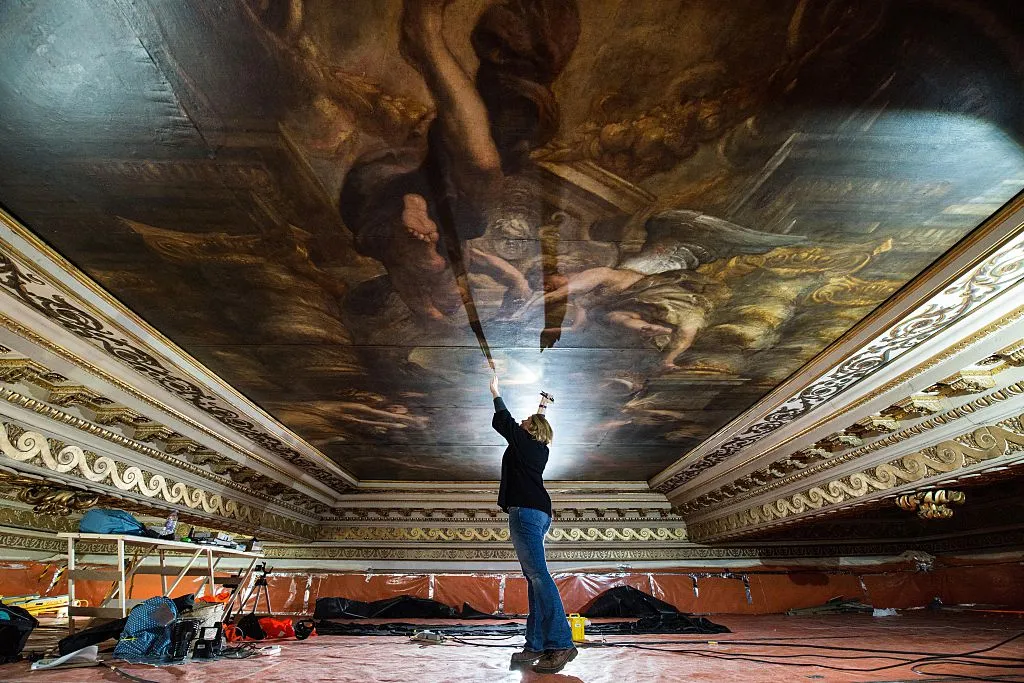
By the late 17th century, the Palace of Whitehall was a mishmash of architectural styles. From Tudor towers to the Palladian Banqueting House designed by Inigo Jones in 1619, it was described as one of the largest, most complex and beautiful palaces in Europe – or the ugliest if you agreed with the French Duc de Saint-Simon.
Disaster struck at four in the afternoon on 4 January 1698, when a basket of linen, left out to dry beside a charcoal fire, set alight. It wasn't the first accident to befall the palace: just seven years earlier, a similar mishap in the Duchess of Portsmouth's lodgings almost claimed the royal residence. But this time, the destruction was all but complete.
MoneyWeek
Subscribe to MoneyWeek today and get your first six magazine issues absolutely FREE

Sign up to Money Morning
Don't miss the latest investment and personal finances news, market analysis, plus money-saving tips with our free twice-daily newsletter
Don't miss the latest investment and personal finances news, market analysis, plus money-saving tips with our free twice-daily newsletter
Banqueting House and the beautifully ornate Tudor Holbein Gate survived, although an unsentimental London demolished the gate in 1759 to make way for a road. But some mourned the still smouldering ruins. The reigning William III declared valiantly that "if God would give him leave, he would rebuild them much finer than before". He even fetched Sir Christopher Wren to set to it.
But God wasn't the problem: the Treasury was – in that it was empty. Queen Anne, who followed William in 1702, promised to put aside £100,000 for six years to fund the rebuilding of Whitehall Palace. Her endeavours, too, came to nothing. So the wreckage was swept away, and the politicians later moved in. Perhaps it's not for nothing that the Cabinet Office today sits on the site of the old cockfighting pit.

-
 MoneyWeek Talks: The funds to choose in 2026
Podcast Fidelity's Tom Stevenson reveals his top three funds for 2026 for your ISA or self-invested personal pension
-
 Three companies with deep economic moats to buy now
Opinion An economic moat can underpin a company's future returns. Here, Imran Sattar, portfolio manager at Edinburgh Investment Trust, selects three stocks to buy now

