Why Britain’s supermarket chains should take over Europe
Britain’s supermarkets should not sit back and wait for a takeover bid, says Matthew Lynn. They should launch their own for the continent’s chains.


You are now subscribed
Your newsletter sign-up was successful
Want to add more newsletters?

Twice daily
MoneyWeek
Get the latest financial news, insights and expert analysis from our award-winning MoneyWeek team, to help you understand what really matters when it comes to your finances.

Four times a week
Look After My Bills
Sign up to our free money-saving newsletter, filled with the latest news and expert advice to help you find the best tips and deals for managing your bills. Start saving today!
Even for one of the most aggressive of corporate raiders, close on $1bn is a big sum. Last week, Elliott Advisors spent that much on a stake in Ahold Delhaize, Europe’s largest supermarket chain. It comes hard on the heels of the Canadian buyout firm Couche-Tard tabling a takeover offer for the French giant Carrefour, swiftly followed by the tentative takeover talks with its rival, Auchan.
In the wake of the buyout of Morrisons, we already knew the British supermarket chains were in play. Now it seems the European chains are as well.
Why the supermarkets are in play
It remains to be seen whether Elliott has any success with its raid on Ahold Delhaize. One point is clear, however. When an investor such as Elliott builds a major stake in a business, it is clearly in play. Europe’s chains are about to see the same kind of deal-making spree that saw Asda bought out by the Issa brothers, Morrisons by the private-equity firm CD&R, and the Czech billionaire Daniel Kretinsky building up a substantial stake in Sainsbury’s.
MoneyWeek
Subscribe to MoneyWeek today and get your first six magazine issues absolutely FREE

Sign up to Money Morning
Don't miss the latest investment and personal finances news, market analysis, plus money-saving tips with our free twice-daily newsletter
Don't miss the latest investment and personal finances news, market analysis, plus money-saving tips with our free twice-daily newsletter
That’s no surprise. The same logic that makes Morrisons or Sainsbury’s attractive applies just as much to the major European chains: supermarkets have very strong cash flows; there is plenty of scope to improve efficiency; and home deliveries give them the potential for growth. Whether a chain is Dutch, French or British doesn’t make a lot of difference to a global buyout firm.
The interesting question is, will one of the British chains be brave enough to make a bid? That would be ambitious. British retailers don’t have a fantastic record of expanding overseas. M&S’s bids for expansion in France have failed and Tesco’s international ambitions were part of an over-ambitious expansion that tipped it into a crisis a decade ago. Even so, they should still be working up a plan to have a crack at one of their major European rivals. Here’s why.
First, if the British stores are cheap, then European ones are cheaper. Carrefour trades on a p/e ratio of about 13; Ahold is on about 23, the same as Sainsbury’s. All of them have relatively generous dividend yields and plenty of scope to raise payouts. For most of the last decade, investors have ignored the big grocery chains, assuming the sector was in permanent decline. All the excitement has been in technology. Yet the sector is resilient, the dominant players keep racking up profits, and the markets have placed very little value on that.
Second, greater buying power would increase their muscle. A big grocery chain is a massive logistical undertaking, involving millions of perishable products being zipped around the country every day. The bigger you are, the easier it is to secure supplies at the best possible price, and deliver value for customers and profits for shareholders. The same logic applies across countries just as much as it does within them. Aldi and Lidl have managed to make international buying power work for them – there’s no reason other chains couldn’t do the same.
Finally, if British supermarkets don’t get bigger, they will be snapped up themselves. We’ve already seen Morrisons and Asda get bought out. Sainsbury’s is the most likely next target and Tesco may no longer be big or successful enough to fend off a bid. It is usually better to be predator than prey. If the British chains combined with one of their European rivals they would become too big to take over, at least for now.
A major battle looms
Who could make a move for a company such as Ahold or Carrefour? Tesco has the firepower; Morrisons’ new private-equity owners have plenty of money and, in Sir Terry Leahy, the former Tesco boss, the perfect person to lead a takeover. Even Sainsbury’s could team up with a buyout firm to make an offer for a rival.
Sure, there would be obstacles – President Macron would be apoplectic at the thought of a British chain taking over Carrefour, and after losing Shell and Unilever, the Dutch would not want to see Ahold go as well.
Even so, the logic is compelling. A major corporate battle for Europe’s supermarkets is looming – and the British chains should be players, not mere bystanders.

-
 Barings Emerging Europe trust bounces back from Russia woes
Barings Emerging Europe trust has added the Middle East and Africa to its mandate, delivering a strong recovery, says Max King
-
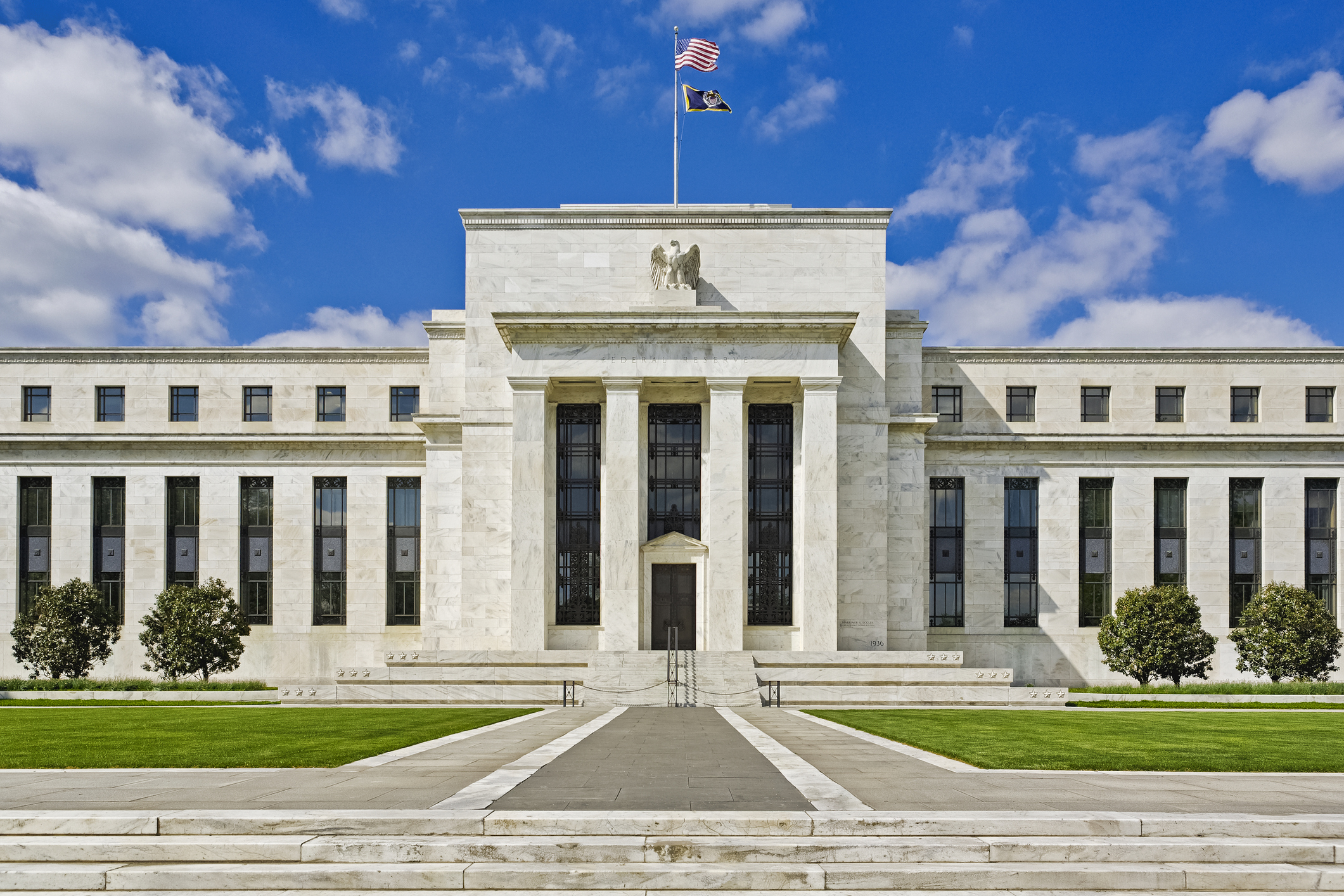 How a dovish Federal Reserve could affect you
Trump’s pick for the US Federal Reserve is not so much of a yes-man as his rival, but interest rates will still come down quickly, says Cris Sholto Heaton


-
Barings Emerging Europe trust bounces back from Russia woes
Barings Emerging Europe trust has added the Middle East and Africa to its mandate, delivering a strong recovery, says Max King
-
How a dovish Federal Reserve could affect you
Trump’s pick for the US Federal Reserve is not so much of a yes-man as his rival, but interest rates will still come down quickly, says Cris Sholto Heaton
-
 Three companies with deep economic moats to buy now
Opinion An economic moat can underpin a company's future returns. Here, Imran Sattar, portfolio manager at Edinburgh Investment Trust, selects three stocks to buy now
-
 Should you sell your Affirm stock?
Affirm, a buy-now-pay-later lender, is vulnerable to a downturn. Investors are losing their enthusiasm, says Matthew Partridge
-
 Why it might be time to switch your pension strategy
Your pension strategy may need tweaking – with many pension experts now arguing that 75 should be the pivotal age in your retirement planning.
-
 Beeks – building the infrastructure behind global markets
Beeks Financial Cloud has carved out a lucrative global niche in financial plumbing with smart strategies, says Jamie Ward
-
 Saba Capital: the hedge fund doing wonders for shareholder democracy
Activist hedge fund Saba Capital isn’t popular, but it has ignited a new age of shareholder engagement, says Rupert Hargreaves
-
 Silver has seen a record streak – will it continue?
Opinion The outlook for silver remains bullish despite recent huge price rises, says ByteTree’s Charlie Morris


