With the right political will, inflation can be defeated
Governments and central banks can easily control inflation, says Merryn Somerset Webb – they just need the will.


You are now subscribed
Your newsletter sign-up was successful
Want to add more newsletters?

Twice daily
MoneyWeek
Get the latest financial news, insights and expert analysis from our award-winning MoneyWeek team, to help you understand what really matters when it comes to your finances.

Four times a week
Look After My Bills
Sign up to our free money-saving newsletter, filled with the latest news and expert advice to help you find the best tips and deals for managing your bills. Start saving today!
The latest numbers on UK inflation are out; the consumer price index is rising at 3.2% a year. That’s pretty nasty, but look to the US and you will see something nastier: there, prices are rising at 5.3%. We haven’t seen these kinds of numbers in the West for decades. You might think they aren’t much to worry about – the various economic distortions caused by the extraordinary policy response to Covid-19 were hardly going to just fade away, and the meeting of supply constraints with unlimited money printing was always going to have consequences – but it is perfectly reasonable to think they will work through the system and we will soon be back to our old mildly-disinflationary normal. This bout of inflation, our central bankers say, is “transitory.” Are they right?
The jury is obviously still out, but it is looking less transitory by the minute. In this week's magazine, Philip Pilkington argues that real long-term inflation is usually driven by labour shortages. We definitely have those: there are well over a million job vacancies in the UK. And it is no good trying to blame that on Brexit – there are labour shortages everywhere. In the US, there are ten million-plus job openings (many more than there are jobless people) – nearly four million more than pre-pandemic. Half of US small firms are hiring; of those, 60% say they can’t find qualified applicants. Around 50% are raising prices – presumably in part because they are having to raise wages to get staff. Explanations vary: school closures have forced parents to stay at home with kids; lifestyle preferences have changed; vaccination mandates have locked people out of career paths; and perhaps pandemic savings have allowed some to opt out of work or to retire early.
MoneyWeek
Subscribe to MoneyWeek today and get your first six magazine issues absolutely FREE

Sign up to Money Morning
Don't miss the latest investment and personal finances news, market analysis, plus money-saving tips with our free twice-daily newsletter
Don't miss the latest investment and personal finances news, market analysis, plus money-saving tips with our free twice-daily newsletter
The good news is that governments and central banks can easily control inflation: they can pull back from creating endless demand via vast public spending programmes financed by binge money-printing and they can raise interest rates. Inflation is then mostly a function of their policy decisions (or lack of). The bad news is that those decisions are really hard to make. Who wants to be the one who reneges on “build back better” promises, or who drives businesses into bankruptcy and homeowners into default with sharp rate rises? You need brave governments with eyes to the long-term greater good for that, and I’m not sure we have those.
This matters. According to the Financial Conduct Authority, 8.6 million people have more than £10,000 in cash savings. With interest rates stuck close to zero and inflation over 3%, those cash pots lose value every day – and are likely to continue to do so. They need protecting. How? Some of the answers are in this week's magazine.

-
 Average UK house price reaches £300,000 for first time, Halifax says
While the average house price has topped £300k, regional disparities still remain, Halifax finds.
-
 Barings Emerging Europe trust bounces back from Russia woes
Barings Emerging Europe trust has added the Middle East and Africa to its mandate, delivering a strong recovery, says Max King


-
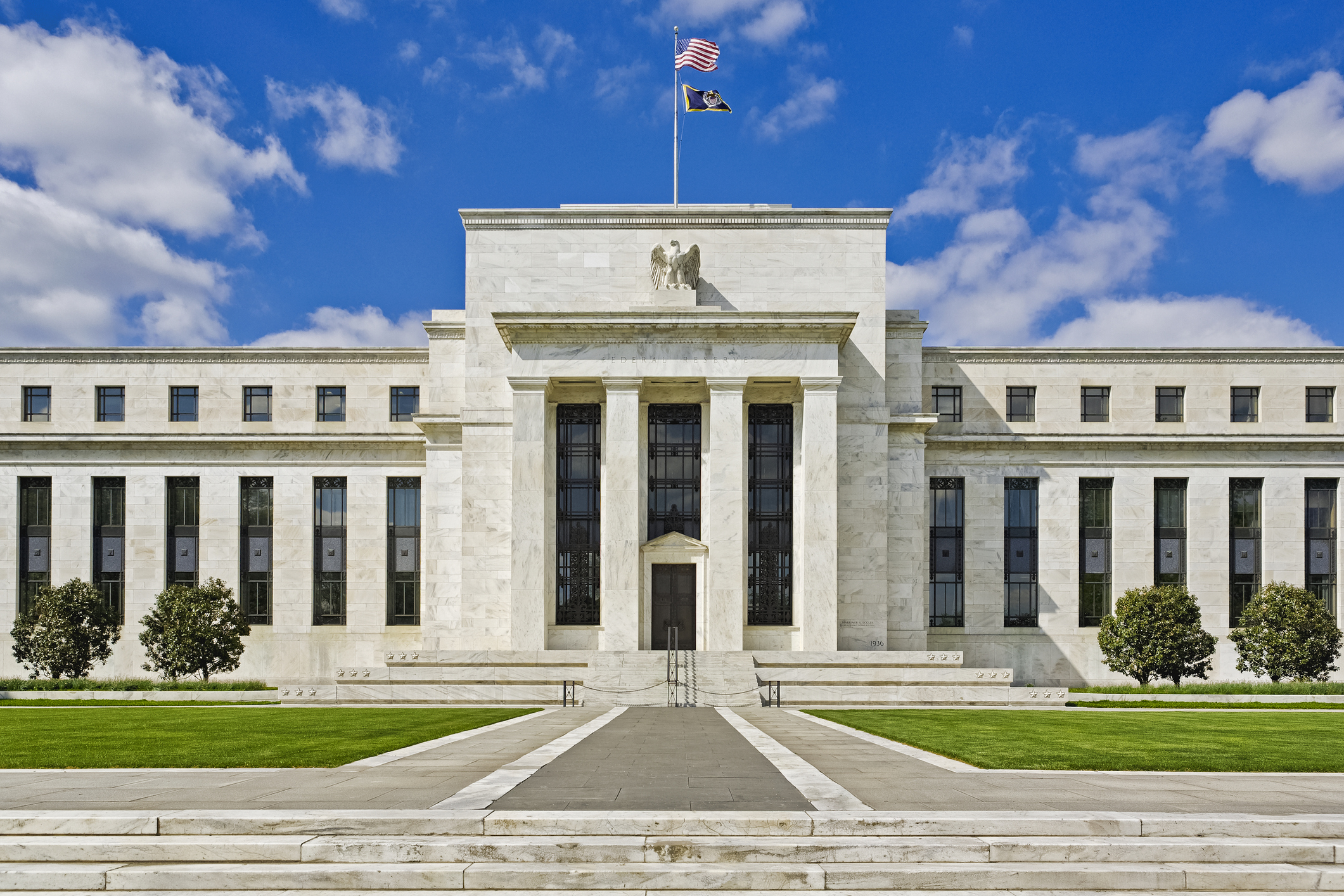 How a dovish Federal Reserve could affect you
Trump’s pick for the US Federal Reserve is not so much of a yes-man as his rival, but interest rates will still come down quickly, says Cris Sholto Heaton
-
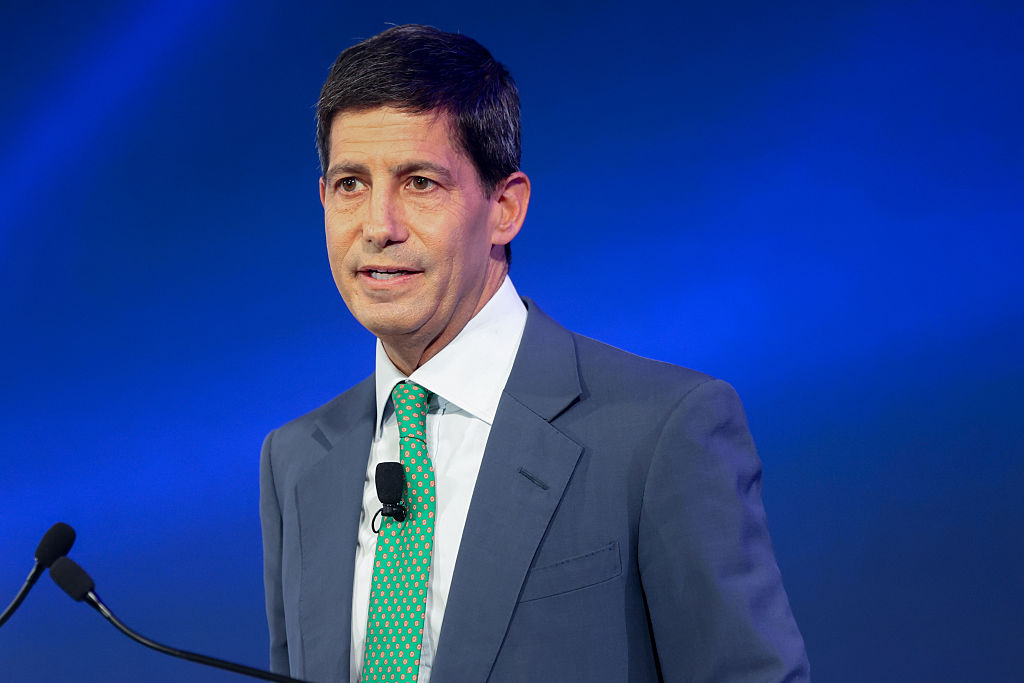 New Federal Reserve chair Kevin Warsh has his work cut out
Opinion Kevin Warsh must make it clear that he, not Trump, is in charge at the Fed. If he doesn't, the US dollar and Treasury bills sell-off will start all over again
-
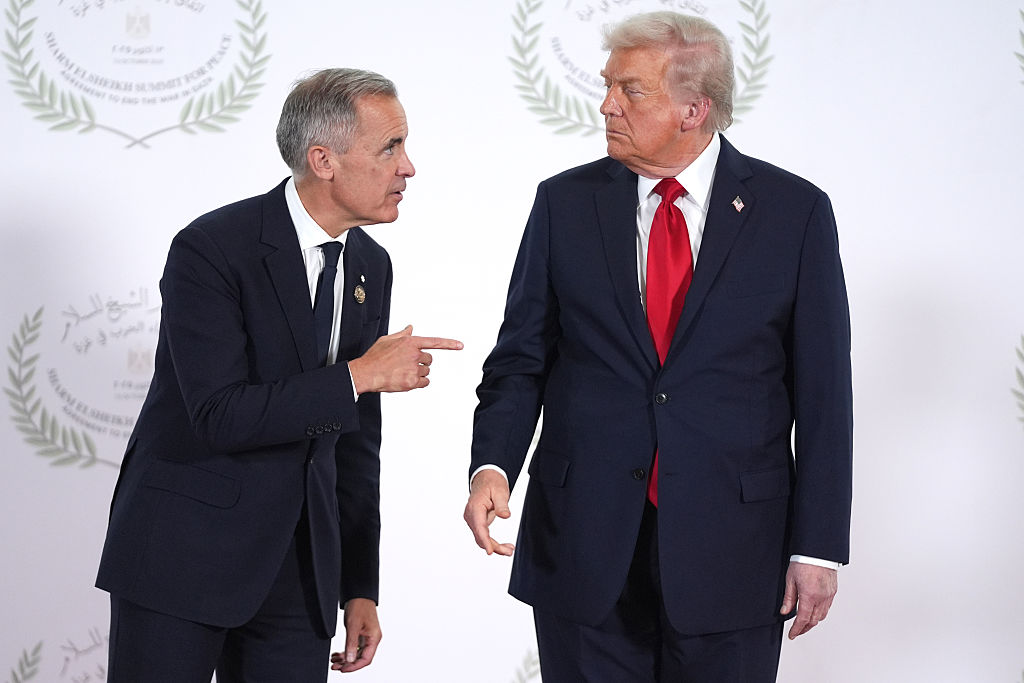 How Canada's Mark Carney is taking on Donald Trump
Canada has been in Donald Trump’s crosshairs ever since he took power and, under PM Mark Carney, is seeking strategies to cope and thrive. How’s he doing?
-
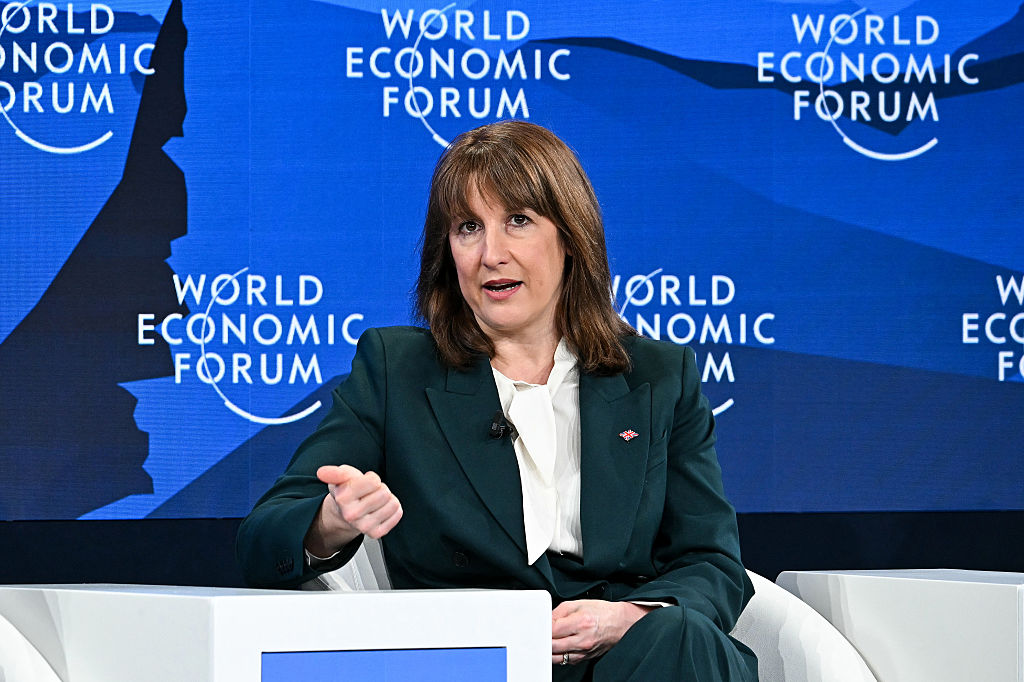 Rachel Reeves is rediscovering the Laffer curve
Opinion If you keep raising taxes, at some point, you start to bring in less revenue. Rachel Reeves has shown the way, says Matthew Lynn
-
 The enshittification of the internet and what it means for us
Why do transformative digital technologies start out as useful tools but then gradually get worse and worse? There is a reason for it – but is there a way out?
-
 What turns a stock market crash into a financial crisis?
Opinion Professor Linda Yueh's popular book on major stock market crashes misses key lessons, says Max King
-
 ISA reforms will destroy the last relic of the Thatcher era
Opinion With the ISA under attack, the Labour government has now started to destroy the last relic of the Thatcher era, returning the economy to the dysfunctional 1970s
-
 Why does Trump want Greenland?
The US wants to annex Greenland as it increasingly sees the world in terms of 19th-century Great Power politics and wants to secure crucial national interests


